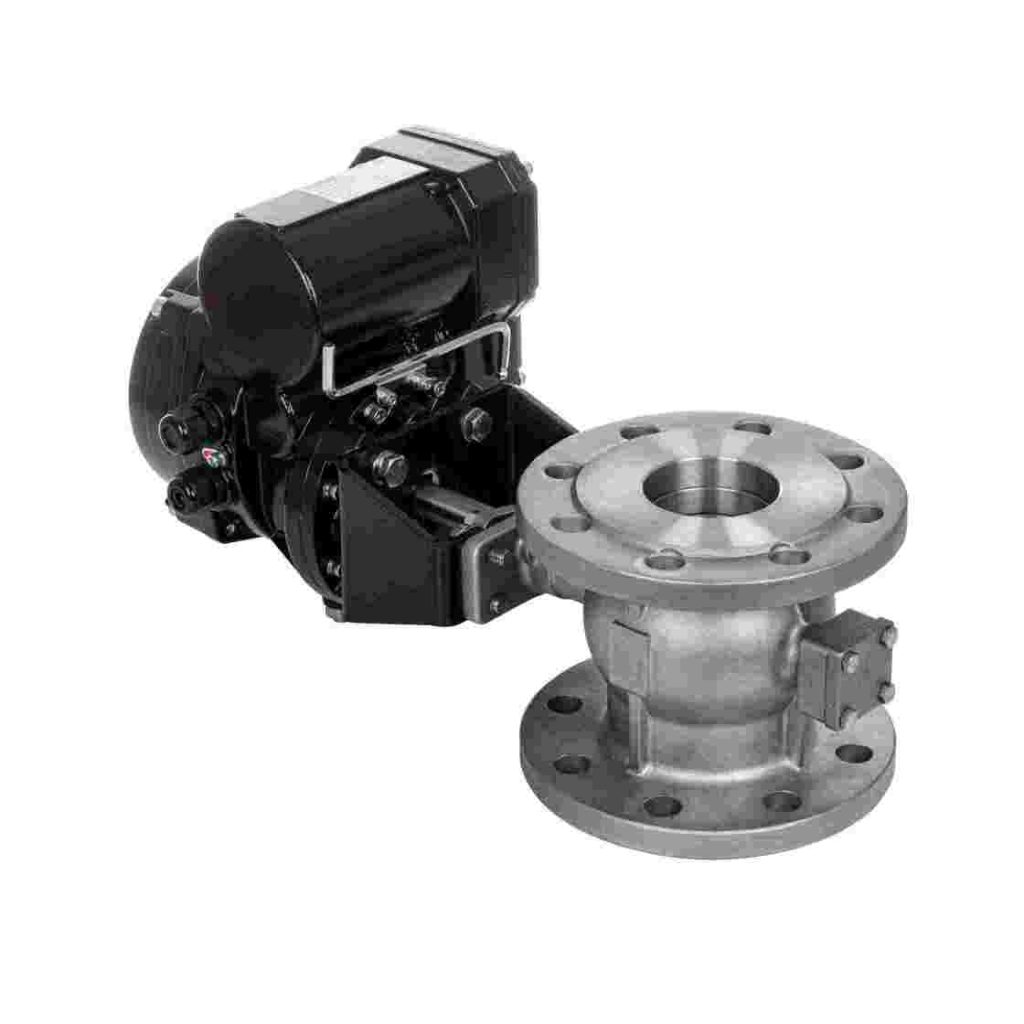
Electric stainless steel ball valves have garnered significant attention within various industries due to their durability, efficiency, and ability to automate processes robustly. As an essential component in fluid control systems, these valves not only help in regulating the flow of liquids and gases but also enhance the overall reliability of automated systems. This article explores the structure, functionality, advantages, applications, and maintenance considerations of electric stainless steel ball valves.
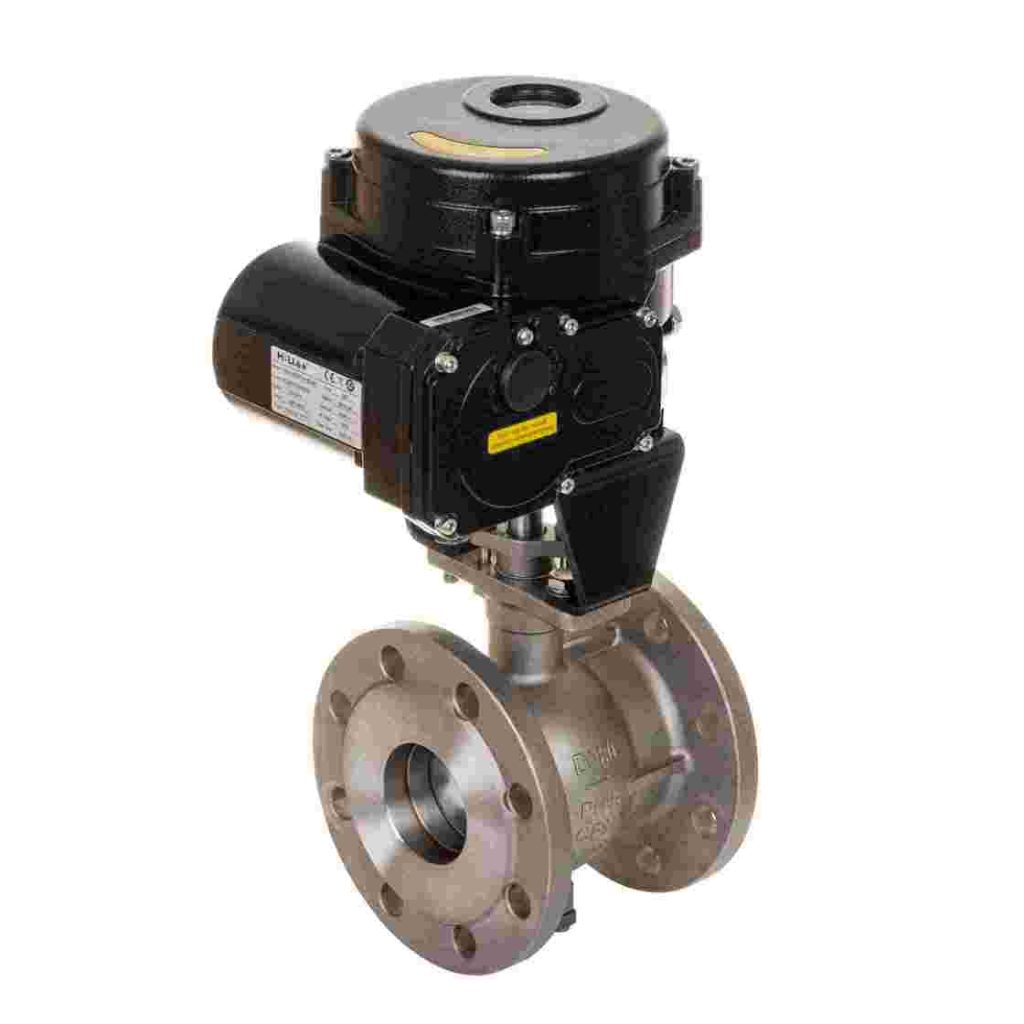
Structure and Design
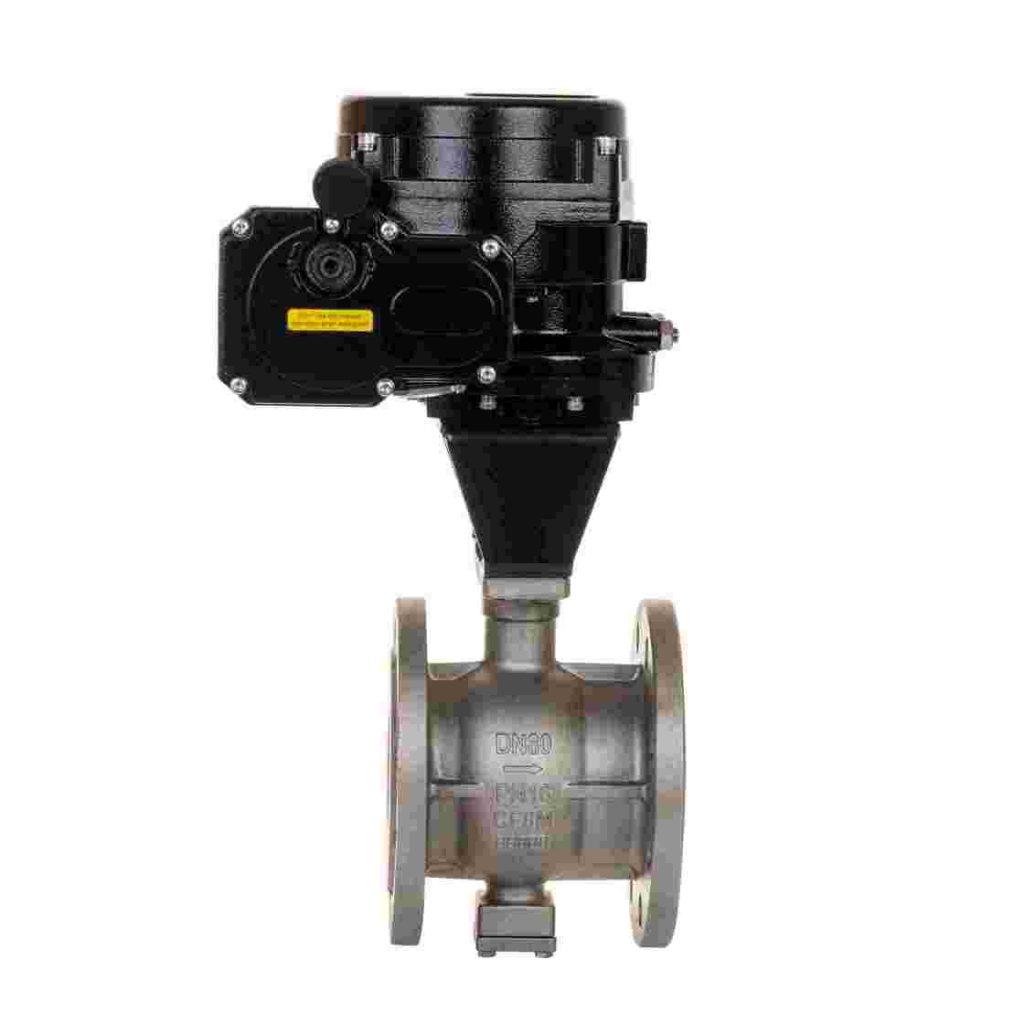
Electric stainless steel ball valves primarily consist of three main components: the valve body, the ball, and the electric actuator. The valve body is typically made of high-quality stainless steel, ensuring resistance to corrosion, heat, and wear. This makes these valves ideal for various applications, including those involving aggressive fluids and extreme temperatures. The ball, which serves as the valve core, features a spherical shape with a central hole that aligns with the pipeline when the valve is open—allowing fluid to flow through. When rotated, the ball can effectively block the flow, sealing off the passage completely. This design is known for its ability to provide tight sealing, thereby reducing the likelihood of leaks.