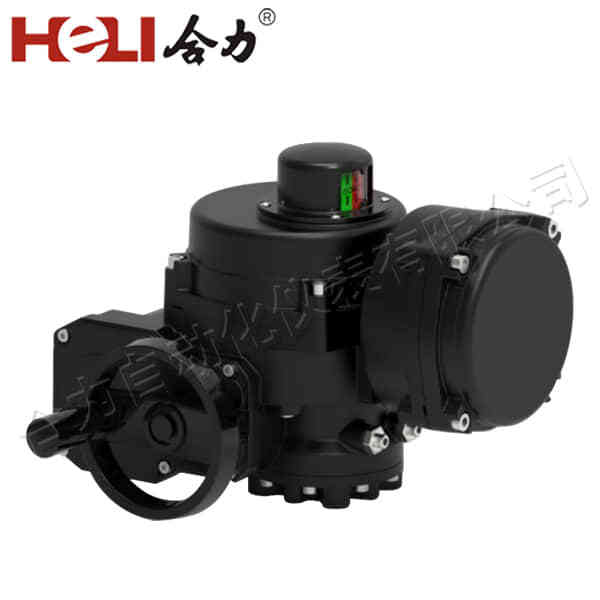
Electric actuator valves are critical components in modern automation systems, particularly in industries such as oil and gas, water treatment, HVAC, and manufacturing. These valves, which combine the functionality of a valve with the power of an electric actuator, offer an efficient and reliable solution for controlling fluid flow in a wide range of applications. In this article, we will delve into the principles behind electric actuator valves, their types, benefits, and the various applications where they play an essential role.
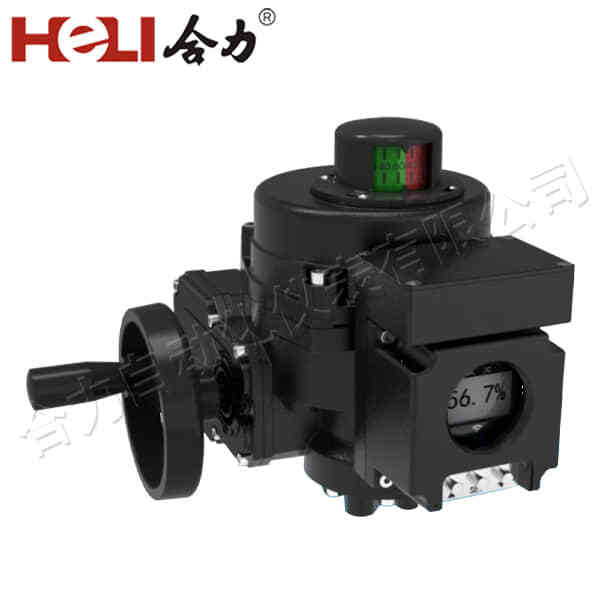
What is an Electric Actuator Valve?
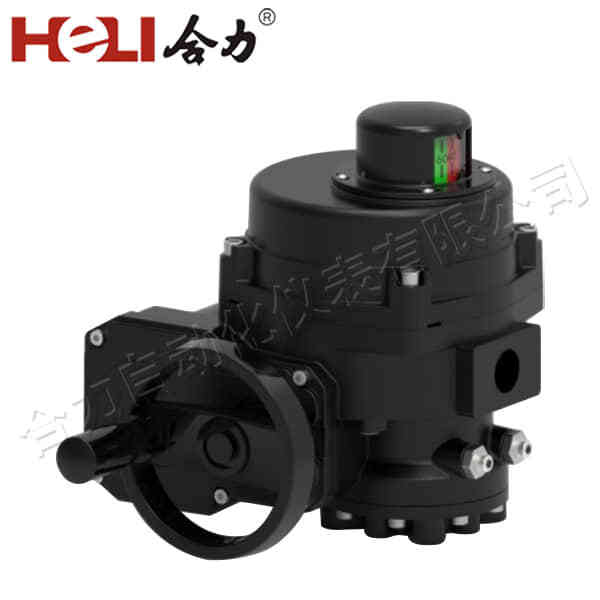
At its core, an electric actuator valve is a mechanical device used to regulate the flow of liquids, gases, or slurries within a pipe or system. The valve is equipped with an electric actuator, which is responsible for moving the valve’s mechanism to either open or close it. The actuator receives electrical signals, which it converts into mechanical motion. This allows operators to precisely control the valve’s position remotely or automatically, without requiring manual intervention. Electric actuator valves are commonly used in systems where quick response times, remote control capabilities, and high accuracy are essential. These valves are powered by electricity rather than pneumatic or hydraulic energy, which makes them easier to install and maintain, especially in locations where access to compressed air or hydraulic lines is limited.