In modern water treatment systems, the integration of advanced technology and efficient components is vital for ensuring clean and safe water. One such crucial component is the solenoid valve, specifically designed for water treatment applications. This article delves into the functionality, applications, advantages, and maintenance of the Water Treatment System Solenoid Valve, highlighting its importance in the water purification process.
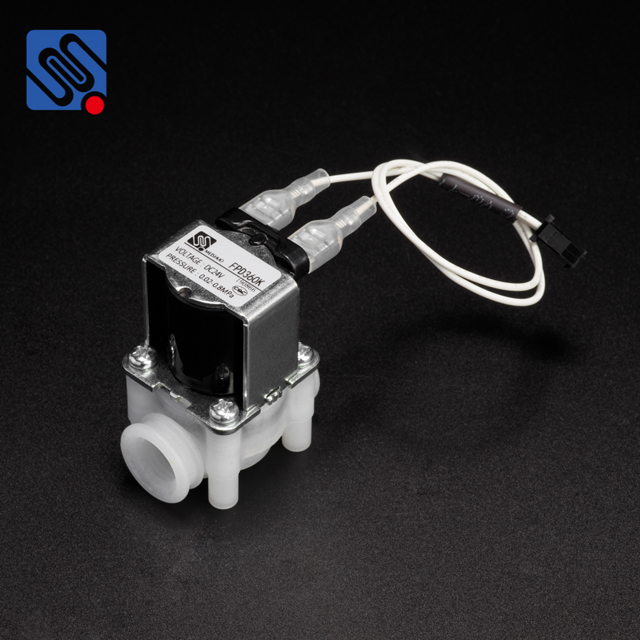
Functionality of Solenoid Valves A solenoid valve is an electromechanical device that uses an electromagnetic solenoid to control the flow of fluids. When electricity is applied to the solenoid, it creates a magnetic field that actuates the valve mechanism. This allows for the opening or closing of the valve, thereby controlling the flow of water or other fluids in a system. The operation is quick and efficient, typically involving response times in milliseconds. Solenoid valves can come in various configurations, including normally closed (NC) and normally open (NO) types. In the NC configuration, the valve remains closed when no electrical power is supplied, while it opens when power is applied. Conversely, the NO configuration does the opposite: it remains open in the absence of power and closes when activated. Such configurations allow for flexibility in different water treatment systems, depending on the intended application.