The solenoid valve is a critical component in the world of fluid control systems, particularly when it comes to managing liquids. This electro-mechanical device uses electrical energy to operate a valve, regulating the flow of liquid through pipes and systems. In this article, we will delve into the functionality, applications, and benefits of solenoid valves, emphasizing their importance in liquid control.
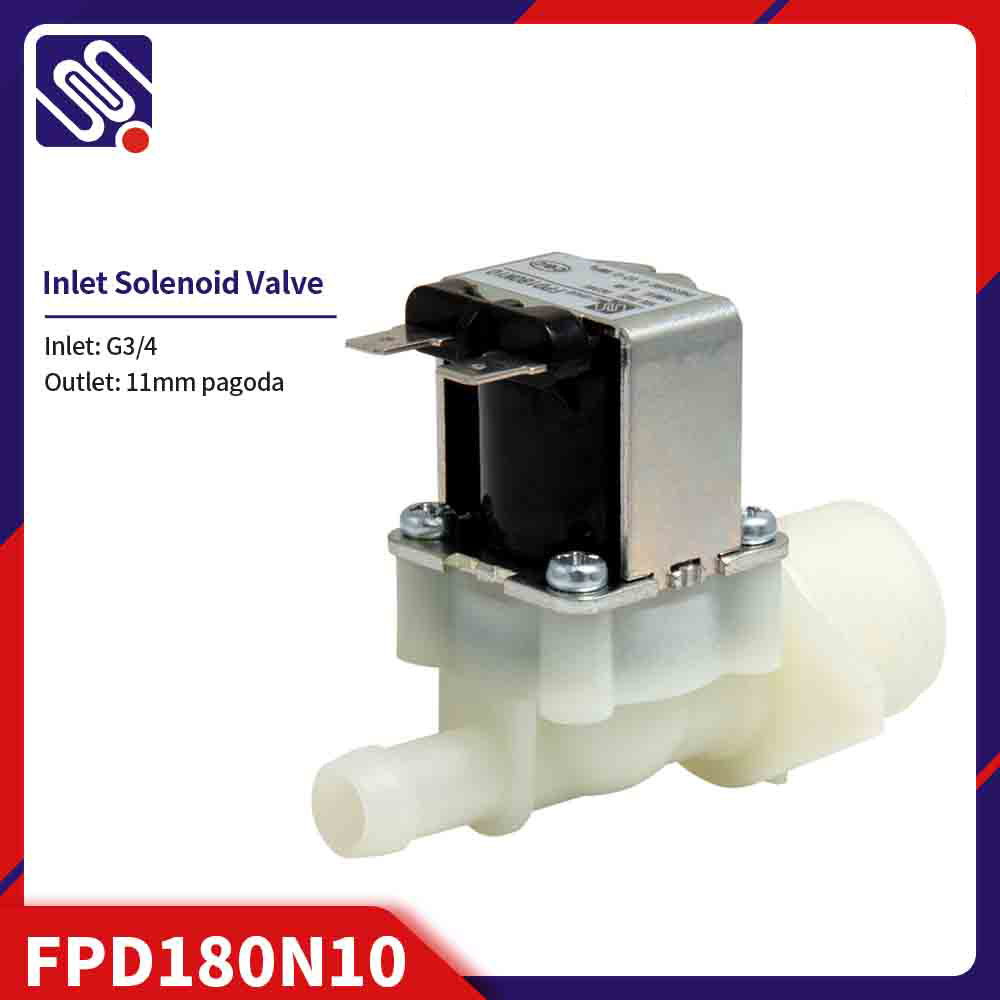
Functionality of Solenoid Valves At its core, a solenoid valve utilizes an electromagnet and a mechanical valve to control the flow of liquids. When an electric current passes through the solenoid coil, it generates a magnetic field that either opens or closes the valve. There are two primary types of solenoid valves suitable for liquid control: direct-acting and pilot-operated. Direct-Acting Solenoid Valves: These valves operate directly through the electric magnetic force generated by the solenoid. They are ideal for low-pressure applications, as the magnetic force is sufficient to move the valve’s internal mechanism without the need for additional pressure. Direct-acting solenoid valves are particularly beneficial in simple systems where reliability and fast response times are essential.