A 24V thermostat is a crucial component in the heating, ventilation, and air conditioning (HVAC) systems of many homes and businesses. As the name suggests, it operates on a 24-volt electrical system and serves as the control mechanism for regulating the temperature in a space. Understanding how a 24V thermostat works, its benefits, and its role in optimizing energy efficiency can help homeowners make informed decisions about their HVAC systems.

What is a 24V Thermostat?
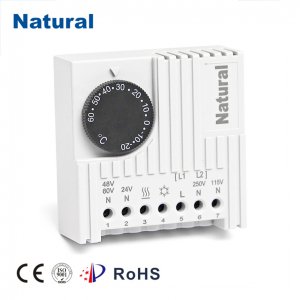
A 24V thermostat is an electrical device that controls the temperature in a home or building by regulating the HVAC system. It sends a low-voltage (24V) signal to the heating or cooling equipment when the room temperature deviates from the desired setpoint. This signal activates or deactivates the heating or cooling system to maintain a comfortable environment. Typically, a 24V thermostat connects to the HVAC system’s control panel, where it monitors the temperature and adjusts the operation of equipment accordingly. These thermostats are typically used with systems such as gas furnaces, air conditioning units, and heat pumps.
