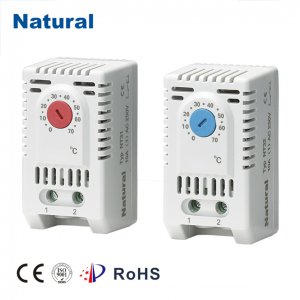
An adjustable mechanical thermostat is a simple yet reliable device used for regulating temperature in various systems. Unlike its digital counterparts, which rely on electronic components, this type of thermostat functions using mechanical parts such as a bimetallic strip. While the technology may seem traditional, the adjustable mechanical thermostat remains popular due to its durability, ease of use, and versatility. This article explores the features, benefits, and applications of the adjustable mechanical thermostat to help users understand why it remains a valuable tool in temperature regulation.
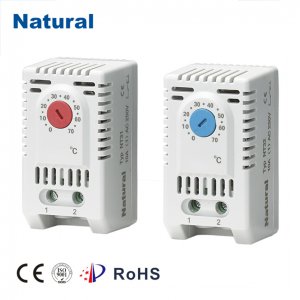
What is an Adjustable Mechanical Thermostat?
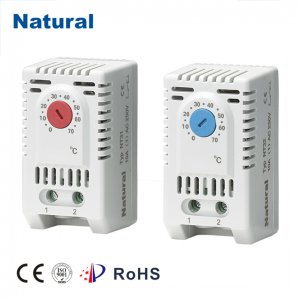
An adjustable mechanical thermostat is a device that helps maintain a desired temperature within a specific range. It consists of a mechanical mechanism that adjusts the temperature by sensing changes in the environment. The most common type of mechanical thermostat relies on a bimetallic strip, which is made from two metals with different thermal expansion rates. As the temperature changes, the bimetallic strip bends or flexes, opening or closing a switch that controls the power to heating or cooling devices. The “adjustable” feature of these thermostats refers to the user’s ability to set the desired temperature manually, typically using a dial or knob. This adjustment alters the point at which the bimetallic strip activates the switch, thus controlling when a system turns on or off.