Introduction
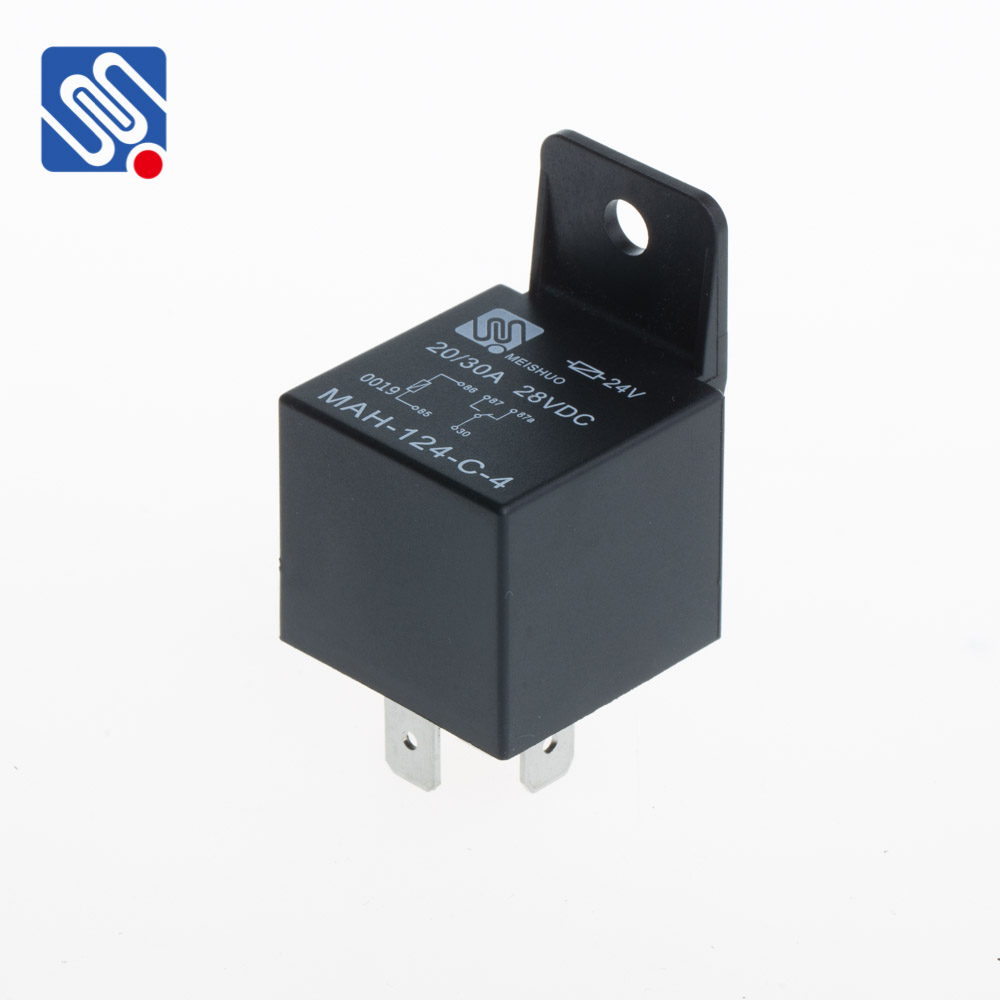
A relay is an electrically operated switch that employs an electromagnet to mechanically operate a switch. Its primary purpose is to control a circuit by a low-power signal or several circuits by one signal. Understanding how to properly operate and maintain relays is critical for the longevity of the device and the efficiency of the systems they govern. This comprehensive relay operation guide aims to provide essential insights into the functioning, installation, operation, troubleshooting, and maintenance of relays. Understanding Relays At its core, a relay consists of an electromagnet, an armature, and one or more sets of contacts. When an electric current passes through the electromagnet, it generates a magnetic field that pulls the armature towards it. This action closes (or opens) the contacts, thus enabling or interrupting the flow of electricity in the circuit. Relays are commonly used in various applications, including automotive, industrial automation, and telecommunications.