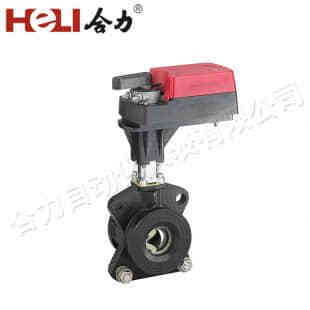
A damper actuator plays a pivotal role in modern HVAC (Heating, Ventilation, and Air Conditioning) systems, as well as various industrial applications. This essential component is designed to regulate the flow of air or other fluids through damper valves, ensuring optimal performance and efficiency. Understanding the functionality, applications, and benefits of damper actuators can shed light on their significance in enhancing system control and energy efficiency.
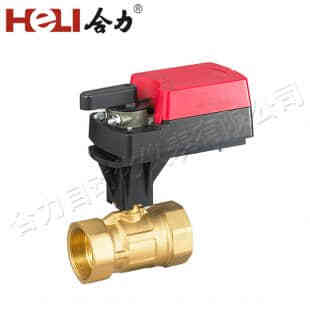
Functionality of Damper Actuators
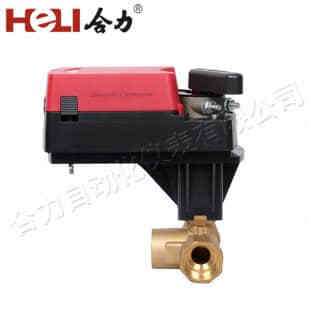
The primary function of a damper actuator is to control the position of damper blades that regulate airflow within ductwork. These actuators can be categorized primarily into three types: electric, pneumatic, and hydraulic. Electric Actuators: Electric damper actuators utilize an electric motor to adjust the position of the damper blades. They are often equipped with feedback devices such as potentiometers or limit switches that provide real-time information about the damper’s position. These feedback mechanisms ensure precise control over airflow, allowing for smooth adjustments from fully open to fully closed positions. Electric actuators are suited for various applications, including systems requiring variable airflow control.