In today’s rapidly evolving industrial landscape, the demand for environmentally-friendly products is more pressing than ever. Among these products, the RoHS Compliant Solenoid Valve stands out as a prime example of how technology can embrace sustainability without compromising on performance. This article aims to explore the significance, benefits, and applications of RoHS compliant solenoid valves in various industries and their role in promoting ecological responsibility.
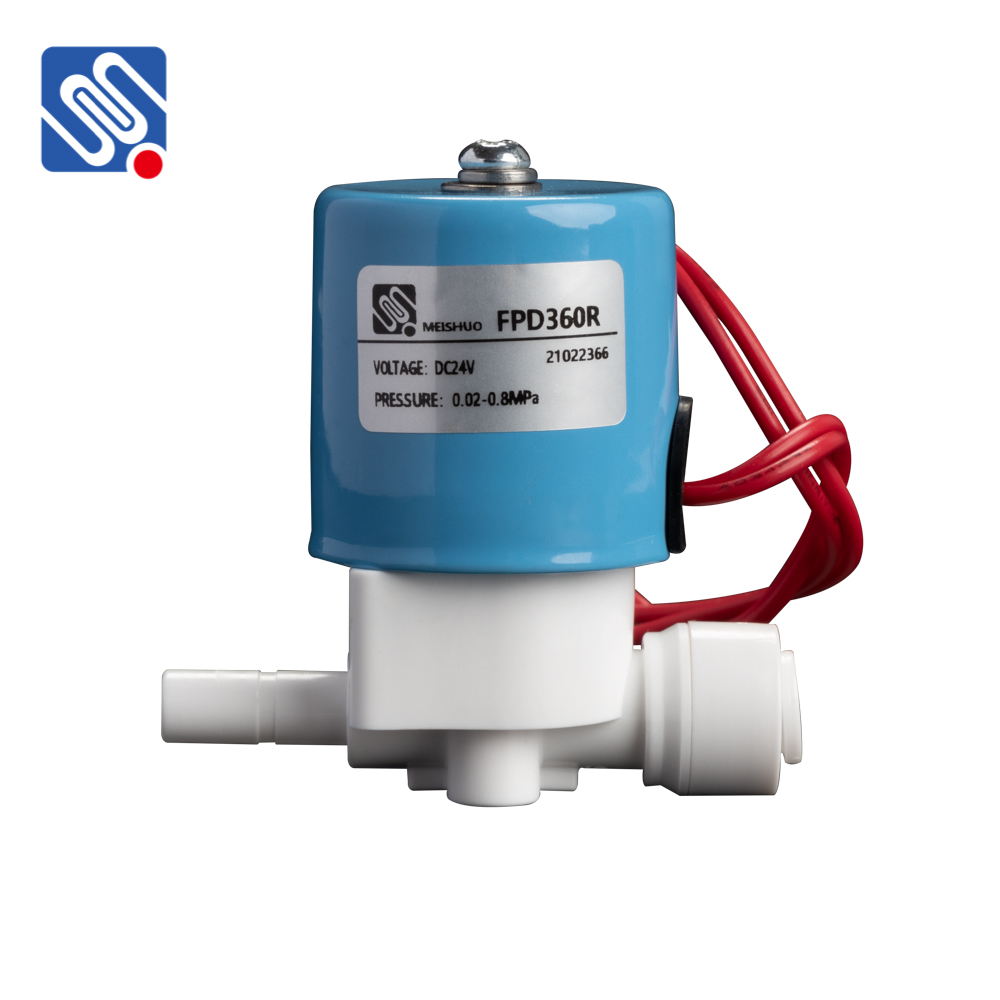
What is RoHS? RoHS, or the Restriction of Hazardous Substances Directive, was implemented by the European Union in 2003 to limit the use of certain hazardous materials in electrical and electronic equipment. The RoHS directive sets strict limits on the use of six harmful substances: lead, mercury, cadmium, hexavalent chromium, polybrominated biphenyls (PBB), and polybrominated diphenyl ethers (PBDE). Compliance with RoHS helps ensure that electronic products are safer for human health and the environment throughout their lifecycle. Overview of Solenoid Valves A solenoid valve is an electromechanical device that controls fluid flow. It uses an electromagnetic solenoid to actuate a valve, allowing for the automation of fluid control in various systems such as heating, cooling, irrigation, and industrial processes. Solenoid valves come in multiple forms and sizes, catering to an extensive range of applications. The automation provided by solenoid valves enhances efficiency, precision, and reliability in fluid management.