In today’s modern world, where electricity powers virtually every aspect of our lives, ensuring safety in electrical systems has never been more critical. One of the pivotal components in electrical safety is the Circuit Breaker Relay. This device is designed to protect electrical circuits from overloads, short circuits, and other potentially hazardous conditions. In this article, we will explore the fundamental principles, types, applications, and benefits of Circuit Breaker Relays, shedding light on their essential role in safeguarding our electrical infrastructure.
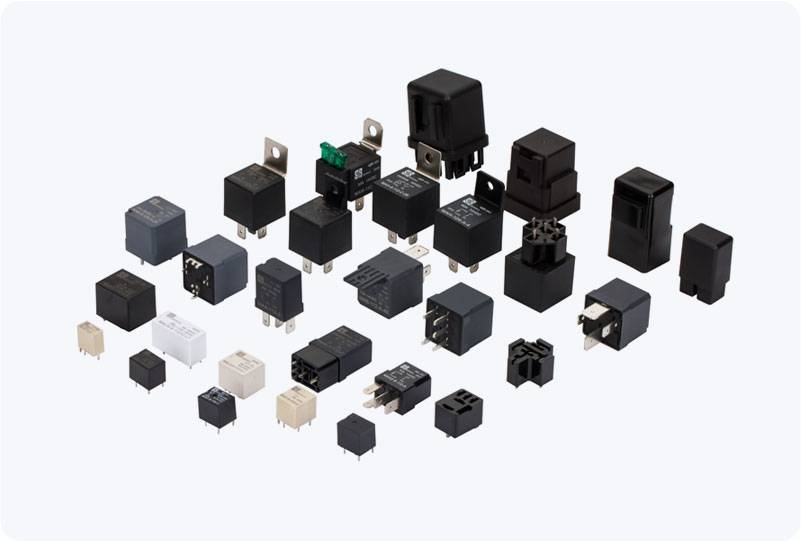
What is a Circuit Breaker Relay? A Circuit Breaker Relay is an automatic device that interrupts the flow of electricity in a circuit when it detects abnormal conditions, such as an overload or short circuit. Essentially, it acts as a protective safety net that prevents excessive current from damaging electrical devices or creating fire hazards. Unlike traditional fuses, which must be replaced after they blow, most circuit breakers can be reset after tripping, making them more convenient for ongoing use. How Does a Circuit Breaker Relay Work? The Circuit Breaker Relay operates based on electrical sensing mechanisms. When electric current flows through the circuit, it is monitored by the relay’s internal components. If the current exceeds a predetermined threshold—indicative of an overload or short circuit—the relay activates a mechanism that interrupts the circuit, cutting off the power supply. This rapid response (often in milliseconds) minimizes potential damage to electrical appliances and reduces the risk of electrical fires.