Safety is a paramount concern in any workplace, especially in industries where machinery and equipment pose a potential risk to workers. Among the various safety protocols implemented to minimize hazards, Lockout Tagout (LOTO) stands as one of the most critical and effective safety procedures. LOTO is designed to ensure that machines and equipment are properly shut down and isolated from their energy sources before any maintenance, repair, or service work is performed. This system protects workers from the dangers associated with the accidental release of hazardous energy, which can lead to severe injuries or fatalities. This article will delve into the significance of Safety Lockout Tagout, its core components, procedures, and the impact it has on enhancing workplace safety.
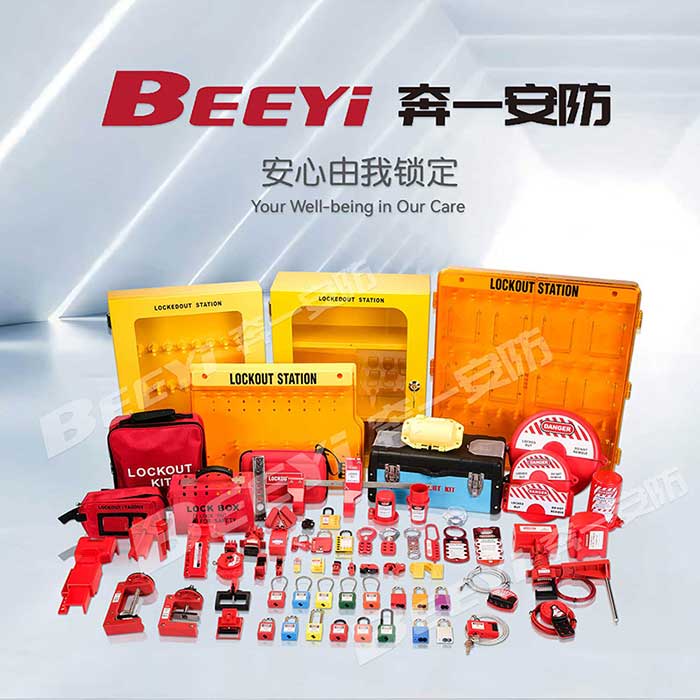
What is Safety Lockout Tagout (LOTO)? Safety Lockout Tagout, often abbreviated as LOTO, is a set of practices and procedures used to ensure that hazardous energy sources are effectively controlled during maintenance or servicing of equipment. These hazardous energy sources could include electrical, mechanical, hydraulic, pneumatic, thermal, or chemical energy. LOTO procedures involve two main actions: Lockout – The physical isolation of an energy source through the use of locks, which prevent the energy from being released or restored until maintenance work is completed. Tagout – The attachment of a warning tag to the energy-isolating device, indicating that the equipment is not to be operated until the tag is removed. The tag acts as a visual warning to other workers that maintenance is underway and that the equipment is in a de-energized state.