In the world of industrial automation, reliability is paramount. The performance of automated systems depends heavily on the seamless communication between devices, sensors, and controllers. A small disruption in communication can lead to system failure, costly downtime, or even safety hazards. To address this issue, High Reliability Communication Relays (HRCRs) are used to ensure that communication remains stable, continuous, and fault-tolerant. These devices play a vital role in enhancing the overall efficiency of industrial automation by enabling secure and robust data transmission in challenging environments.
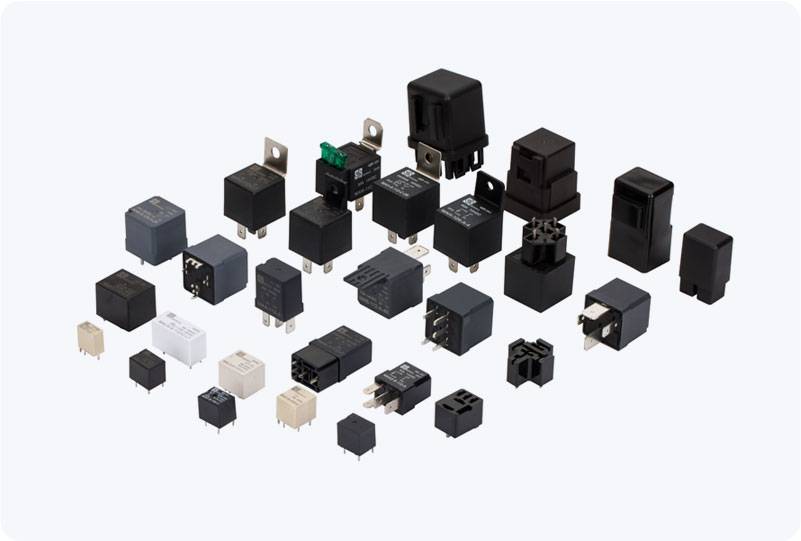
What is a High Reliability Communication Relay? A High Reliability Communication Relay is an advanced device designed to manage data traffic between various components in an industrial automation system. These relays are equipped with features to handle complex, real-time communication requirements, reduce downtime, and provide backup communication routes in case of failures. Essentially, they function as intermediaries that ensure uninterrupted data flow across the network, even when components experience faults or disruptions. Importance in Industrial Automation Industrial automation encompasses various critical operations, such as manufacturing lines, robotics, control systems, and data acquisition. In these environments, devices need to communicate with each other continuously to perform tasks like process control, quality monitoring, and machine maintenance. However, industrial settings often come with challenges that can interfere with stable communication, including electromagnetic interference (EMI), harsh weather conditions, long-distance data transmission, and system overloads.