Electromechanical relays (EMRs) are essential components in electrical and electronic systems, playing a pivotal role in the control and automation of circuits. These devices work on the principle of magnetism and mechanical movement, providing reliable switching capabilities for various applications. This article delves into the structure, working principle, types, and practical uses of electromechanical relays, highlighting their importance in the modern electrical landscape.
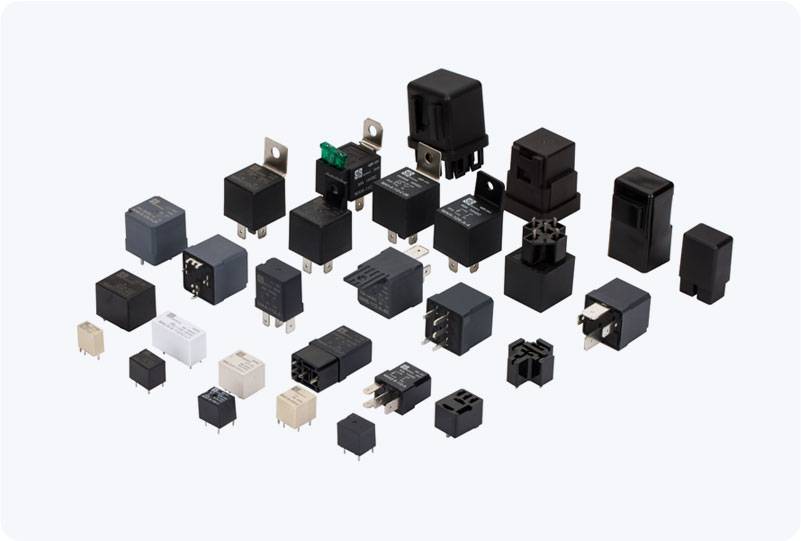
Structure of Electromechanical Relays An electromechanical relay consists of several key components that work together to achieve its functionality: Coil: The coil, often wound from copper wire, is responsible for generating a magnetic field when an electric current flows through it. The magnetic field is the driving force behind the relay’s operation. Armature: The armature is a movable metal lever that is influenced by the magnetic field produced by the coil. It typically pivots on a fulcrum and is designed to move towards the coil when energized. Contacts: These are conductive elements that open or close the electrical circuit. There are various configurations of contacts, such as normally open (NO) and normally closed (NC), which determine whether the circuit is completed or interrupted under specific conditions.