Lockout-Tagout (LOTO) is a critical safety procedure that ensures workers are protected when servicing or maintaining machinery and equipment. The term “LOTO device” refers to the specific tools and equipment used in this procedure to lock and tag machines, ensuring that they cannot be inadvertently energized during maintenance. These devices are essential in preventing workplace injuries and fatalities caused by the unexpected startup of machinery. In this article, we will delve into the significance of LOTO devices, their types, and their role in enhancing workplace safety.
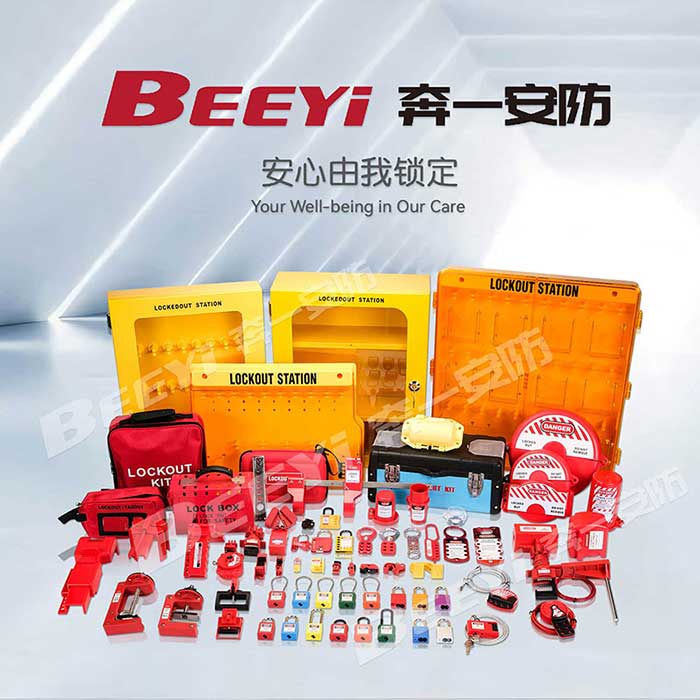
What is LOTO? LOTO stands for “Lockout-Tagout,” a safety protocol designed to safeguard workers from the dangers of accidental machine start-up, energy release, or hazardous conditions while they are performing maintenance tasks. It involves the isolation of energy sources, followed by the application of a lock or tag to prevent the energy from being restored until the work is completed. The LOTO procedure typically includes a combination of safety devices, including locks, tags, and energy-isolating devices. The Role of LOTO Devices LOTO devices are the physical tools that form the core of the Lockout-Tagout process. These devices are designed to be attached to machine energy sources such as electrical circuits, hydraulic lines, or steam valves, preventing the accidental reactivation of the equipment while maintenance is in progress. The primary role of LOTO devices is to ensure that: