Lockout Hasps are vital safety devices used in industrial and commercial settings to prevent accidents caused by the accidental startup of machinery and equipment during maintenance or repair. These devices play a crucial role in ensuring the safety of workers by physically securing machinery, ensuring that it cannot be operated while maintenance is taking place. This Lockout Hasps installation guide will walk you through the essential steps required for a proper and effective installation.
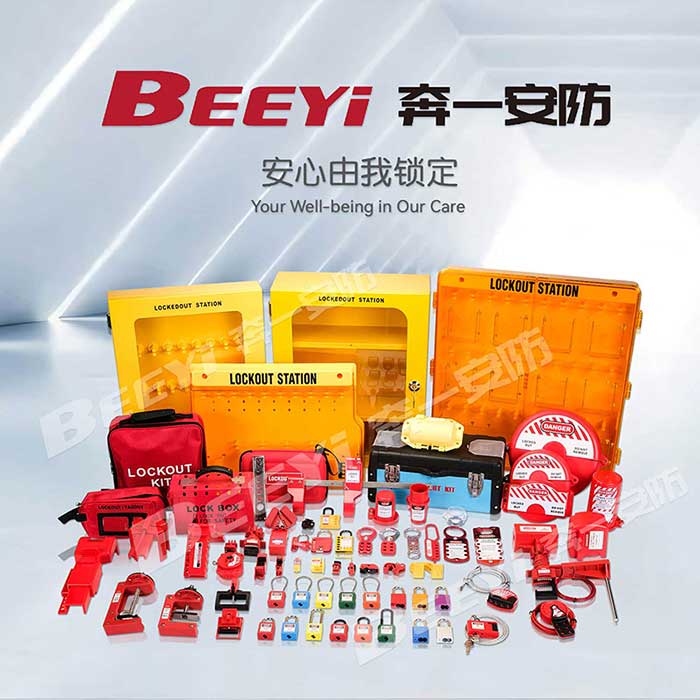
What Are Lockout Hasps? Lockout Hasps are metal or plastic devices that are used in conjunction with safety locks to prevent machinery from being accidentally energized during maintenance. A lockout hasp typically includes multiple holes to accommodate different locks, allowing multiple workers to lock out the same piece of equipment simultaneously. This ensures that all individuals involved in the maintenance are protected, as each worker can use their own lock to ensure the equipment is safe. Why Is Installing Lockout Hasps Important? Proper installation of Lockout Hasps is critical to preventing workplace injuries. Without lockout procedures, equipment can be accidentally turned on, leading to severe accidents, injuries, or even fatalities. Lockout Hasps provide a visual and mechanical barrier to prevent the unintended operation of equipment, giving workers the confidence to perform their duties without fear of unexpected machine activation.