Power Monitoring Relay (PMR) is a crucial component in the modern electrical system that plays a significant role in enhancing efficiency, safety, and protection. As industries and commercial sectors strive for greater operational continuity and energy efficiency, the need for advanced monitoring and control systems has become increasingly essential. The Power Monitoring Relay provides the necessary functions to ensure that electrical systems operate within safe parameters while offering real-time data analysis for effective decision-making. This article explores the working principle, applications, and benefits of Power Monitoring Relays in various electrical systems.
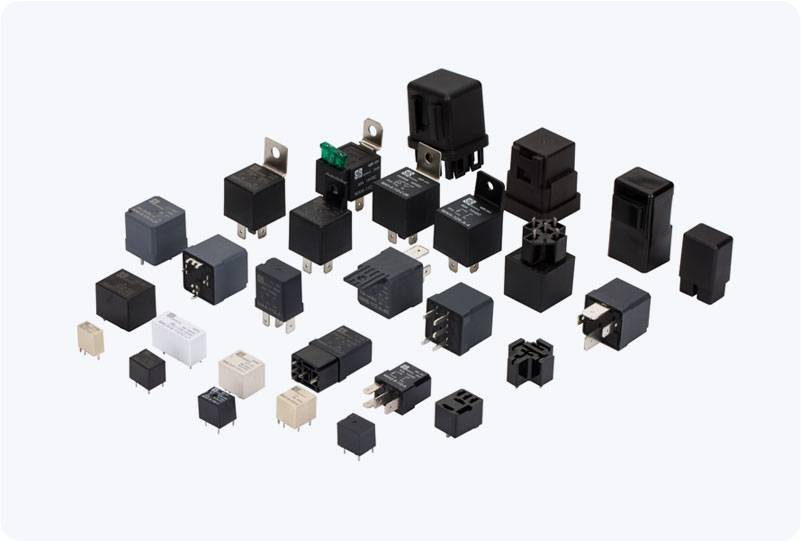
What is a Power Monitoring Relay? A Power Monitoring Relay is an electronic device designed to continuously monitor key electrical parameters such as voltage, current, power, frequency, and power factor. These relays are typically installed in industrial or commercial power distribution systems to monitor and protect electrical equipment from damage caused by abnormal conditions. If any parameter deviates from the pre-defined safe limits, the PMR can trigger alarms or even automatically disconnect the affected equipment to prevent damage, ensuring the longevity of electrical assets. PMRs are designed to be highly versatile, capable of working with different electrical systems and providing real-time feedback. They help in minimizing downtime by detecting faults and irregularities quickly, enabling corrective actions to be taken before a serious failure occurs.