High Current Power Relays (HCPRs) are essential components in electrical systems that require the control of high-power circuits. These relays are designed to switch large amounts of current and voltage, making them crucial for a wide variety of applications in both industrial and commercial settings. As technology advances and the demand for high-power equipment increases, the role of HCPRs has become even more important in ensuring reliable and safe operation of electrical systems.
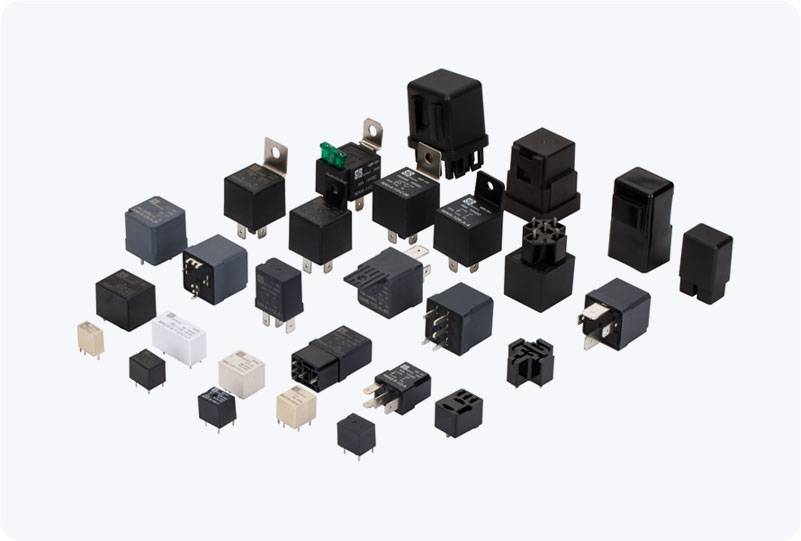
Understanding High Current Power Relays A High Current Power Relay is an electromechanical switch used to control the flow of electrical current in a circuit. What sets HCPRs apart from standard relays is their ability to handle much higher currents—often in the range of several tens to hundreds of amperes. This capability allows them to be used in environments where conventional relays cannot function due to the massive electrical loads. The basic principle of operation for a relay is relatively simple. When a control signal (usually a small current or voltage) is applied to the relay’s coil, it generates a magnetic field that moves an internal armature, closing or opening the switch contacts. In a High Current Power Relay, the contacts are built to withstand the wear and tear caused by frequent switching of large currents.