A Motor Starter Relay is a crucial device in the world of electrical and industrial machinery. It plays a pivotal role in controlling and protecting electric motors, ensuring their optimal functioning and longevity. Whether in small household appliances or large industrial machines, a Motor Starter Relay is integral to the reliable operation of motors, offering both protection and efficiency. This article explores the components, functions, and applications of Motor Starter Relays, highlighting their importance in various systems.
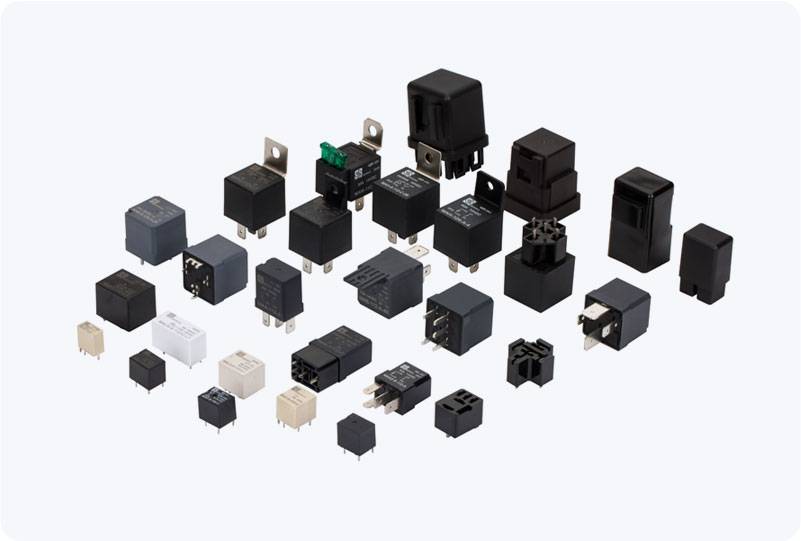
What is a Motor Starter Relay? At its core, a Motor Starter Relay is an electrically controlled switch used to start or stop a motor. It functions as part of a motor starter circuit, which typically consists of several components such as contactors, overload relays, and sometimes thermal protection. The relay’s primary responsibility is to initiate motor operation and, in many cases, provide overload protection to prevent damage due to excessive current or heat. The motor starter relay works by engaging or disengaging electrical contacts in the circuit, thereby allowing or interrupting power flow to the motor. It can be operated manually or automatically, depending on the system’s design and the motor’s application.