A relay is an essential electrical component used widely across various industries and systems, offering the ability to control a circuit with a lower voltage or current. One of the most common types of relays is the Relay 24V, which operates at a nominal voltage of 24 volts. This article explores the fundamental principles of a 24V relay, its components, how it works, and its practical applications in real-world systems.
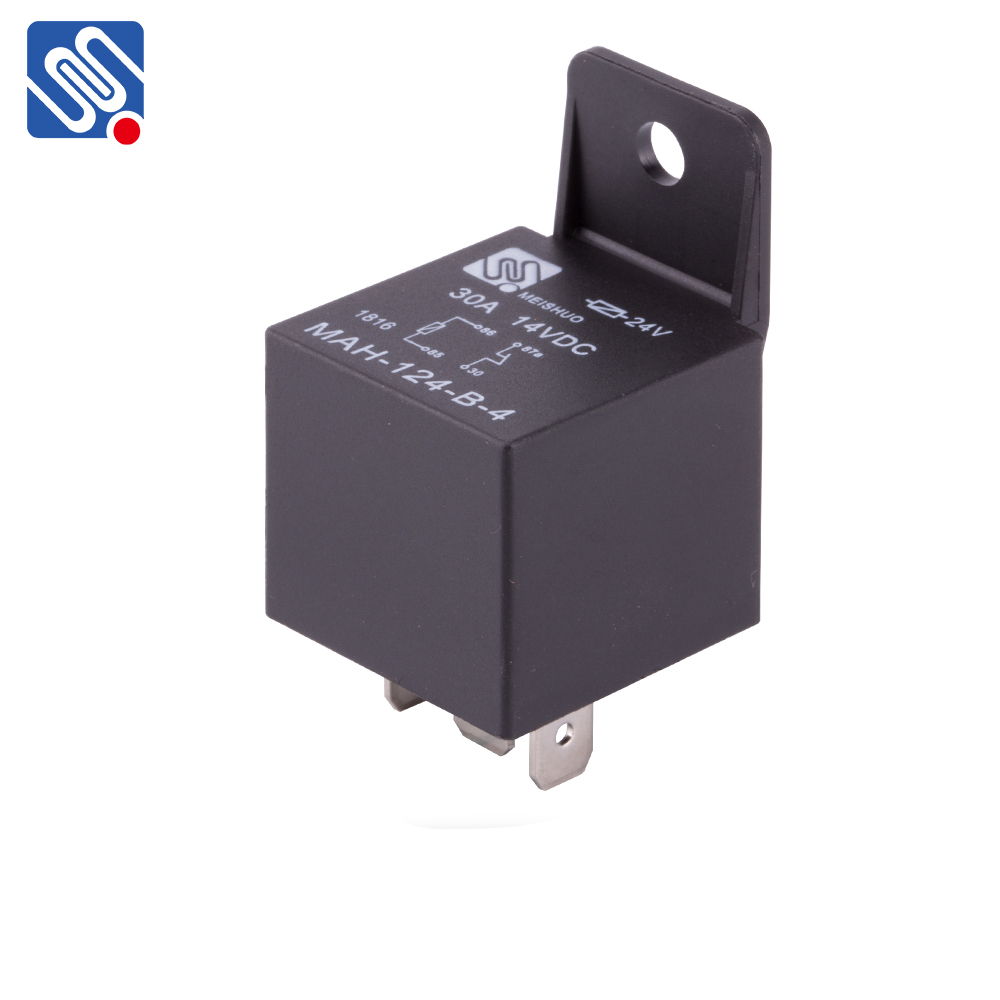
What is a 24V Relay? A Relay 24V is a type of electromechanical switch that uses an electromagnet (a coil) to open or close a set of contacts in response to an electrical signal. The 24V designation refers to the voltage required to energize the coil of the relay, typically using a 24V DC or AC input. When a current flows through the coil, it generates a magnetic field that pulls the armature, which in turn either opens or closes the relay contacts, allowing current to flow through the circuit. Basic Components of a Relay A 24V relay consists of several critical components that work together to achieve its function: