In modern power electronics, capacitors play a crucial role in energy storage, power filtering, and stabilizing electrical systems. However, when capacitors are connected to a power source, particularly in high-voltage applications, they present a significant challenge: inrush current. This sudden surge of current can damage sensitive components, shorten the lifespan of circuit elements, and create undesirable electrical noise. To address this, the Capacitor Precharge Circuit Relay has been developed as a vital solution. This circuit serves to protect the system from high inrush currents and improve the overall reliability of power electronic systems.
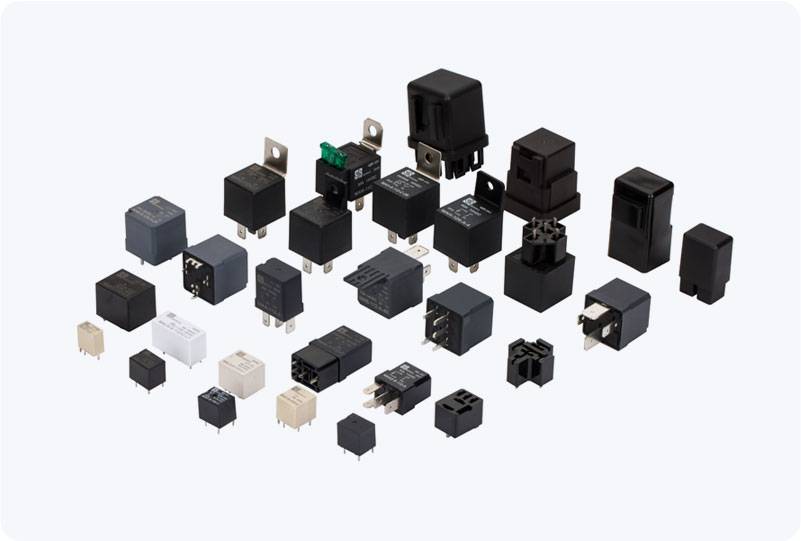
Understanding Capacitor Precharge Circuit Relay A Capacitor Precharge Circuit Relay is a protective circuit used primarily in power electronics to control the charging of capacitors at the initial power-up phase. It allows for a gradual and controlled charging process rather than subjecting the capacitor to an instantaneous high current. This is achieved by using a relay that initially holds the capacitor at a low voltage and gradually increases the voltage over time until it reaches its desired operating level. Once the capacitor is safely charged, the relay closes, allowing the system to operate normally.