The management of fluid flow is crucial across various industries, from agriculture and irrigation to construction and HVAC (heating, ventilation, and air conditioning) systems. One of the essential components used in these applications is the plastic water flow control valve. This article explores the functionalities, advantages, and considerations associated with plastic water flow control valves, highlighting their significance in modern fluid management.
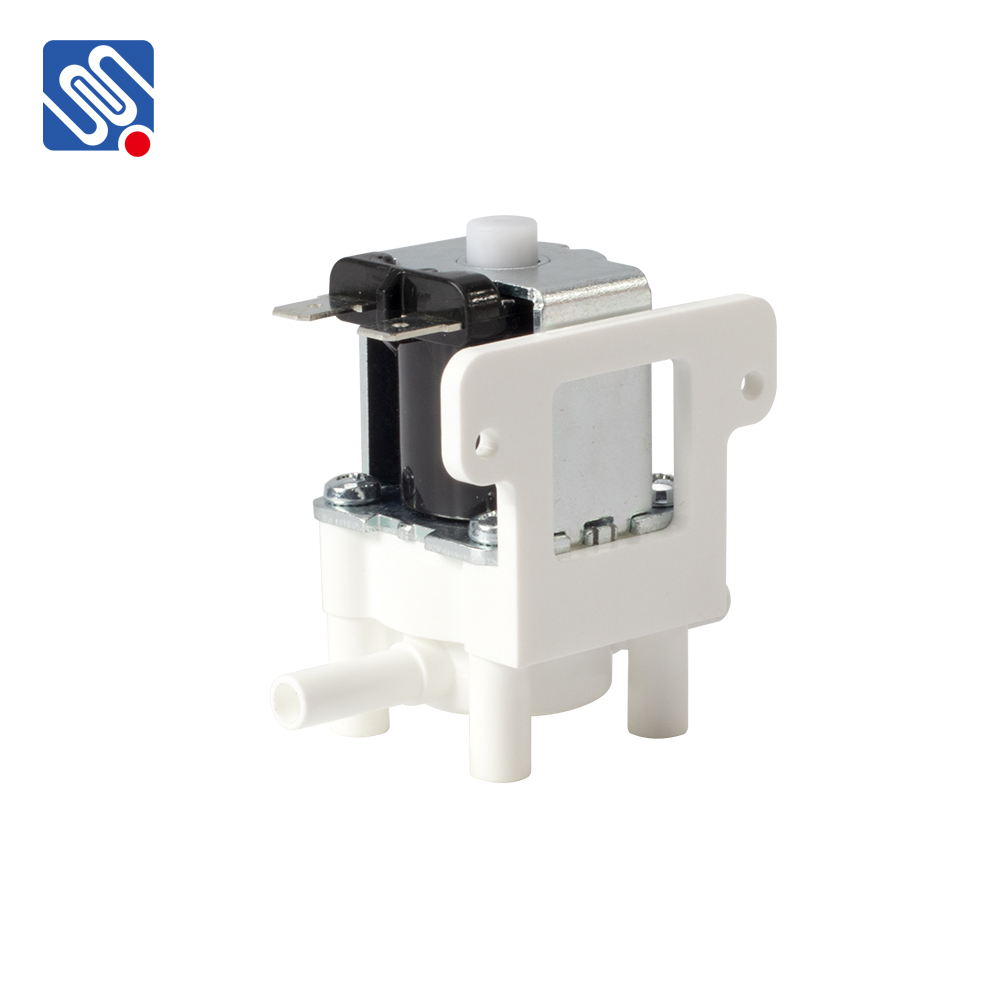
What is a Plastic Water Flow Control Valve? A plastic water flow control valve is a mechanical device specifically designed to regulate the flow of water and other fluids in pipelines. Unlike traditional metal valves, plastic flow control valves are made from materials such as polypropylene, polyethylene, and PVC (polyvinyl chloride). These materials provide unique properties that make plastic valves an attractive option for many applications. Key Features Corrosion Resistance: One of the standout benefits of plastic flow control valves is their resistance to corrosion. Unlike metal valves that may rust or degrade over time, plastic valves can withstand exposure to harsh chemicals and varying pH levels. This makes them an ideal choice for agricultural applications where fertilizers and other chemicals are used.