A relay is an essential component in electrical systems, serving as a switch that opens and closes circuits under the control of an external electrical signal. To ensure that a relay is suitable for a given application, engineers and designers rely heavily on the relay datasheet. A Relay datasheet provides critical technical information regarding the relay’s specifications, capabilities, and limitations. This article aims to explore the key elements of a relay datasheet, helping users make informed decisions when selecting relays for various applications.
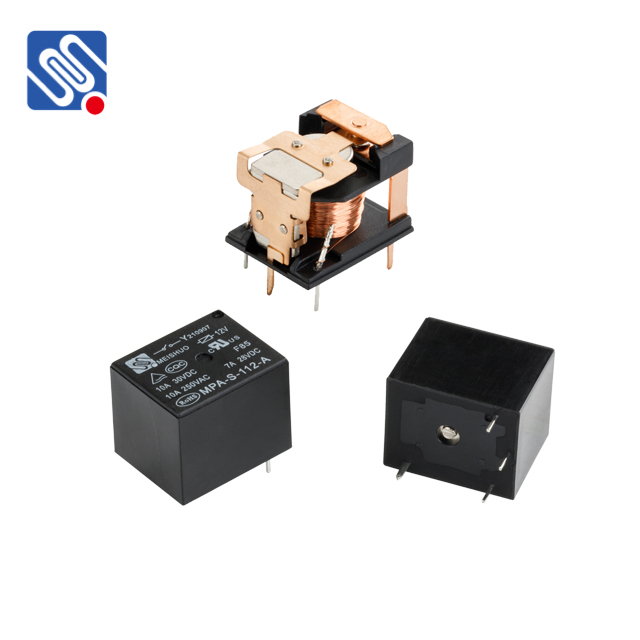
Key Specifications in a Relay Datasheet Coil Voltage and Current The relay’s coil voltage is one of the most important parameters to check in the datasheet. This indicates the voltage required to energize the relay’s coil and activate the switch. Relays come in a variety of coil voltages, including standard options such as 5V, 12V, 24V, and even higher voltages such as 48V or 110V. The datasheet typically provides the rated coil voltage along with the coil current, which is the current required to operate the relay when the coil is energized. Ensuring that the relay’s coil voltage matches the supply voltage of the control circuit is crucial for proper functioning.