As industries increasingly prioritize sustainability and environmental responsibility, ensuring that products meet environmental standards has become crucial. One of the most widely recognized environmental regulations is RoHS (Restriction of Hazardous Substances), which mandates the restriction of specific hazardous materials in electronic and electrical products. Among the many components subject to RoHS compliance, the solenoid valve stands out as a vital part of numerous automation systems. This article delves into what a RoHS Compliant Solenoid Valve is, why it matters, and its role in modern industrial applications.
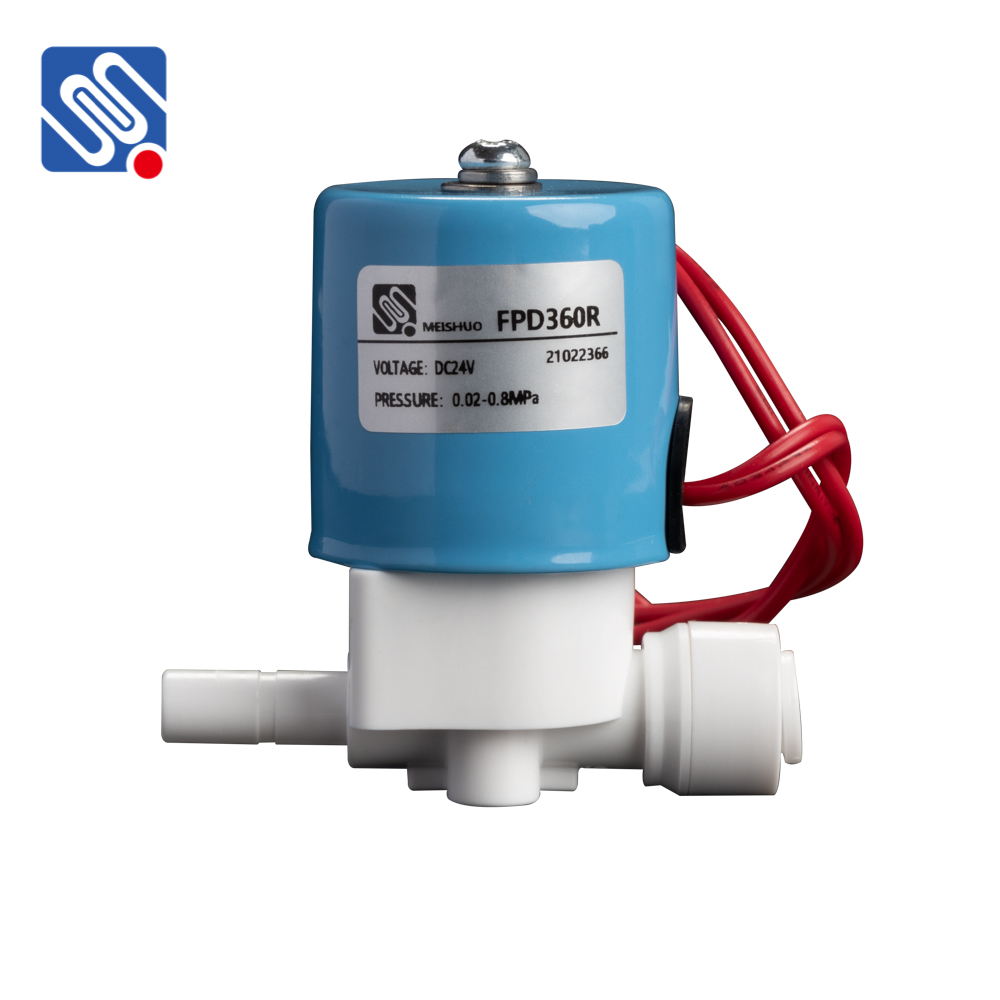
What is a RoHS Compliant Solenoid Valve? A solenoid valve is an electromechanical device used to control the flow of fluids or gases in various systems. These valves operate by using an electromagnetic coil to open or close a valve, which in turn regulates the flow of a substance through pipes or tubes. Solenoid valves are widely used in industries such as manufacturing, automotive, HVAC (Heating, Ventilation, and Air Conditioning), and fluid control systems. A RoHS Compliant Solenoid Valve is a solenoid valve that adheres to the RoHS directive, which restricts the use of hazardous materials such as lead, mercury, cadmium, hexavalent chromium, polybrominated biphenyls (PBBs), and polybrominated diphenyl ethers (PBDEs) in electrical and electronic equipment. By ensuring that the solenoid valve’s construction and materials comply with RoHS standards, manufacturers contribute to reducing environmental and health risks associated with these toxic substances.