Relays are critical components in electrical and electronic systems, acting as electrical switches that control circuits by using an electromagnetic field. They allow low-voltage signals to control higher-power circuits, making them essential in a variety of devices ranging from household appliances to industrial machinery. A fundamental concept related to relays is relay voltage, which determines how and when a relay activates or deactivates. Understanding relay voltage is essential for designing and maintaining systems that rely on relays.
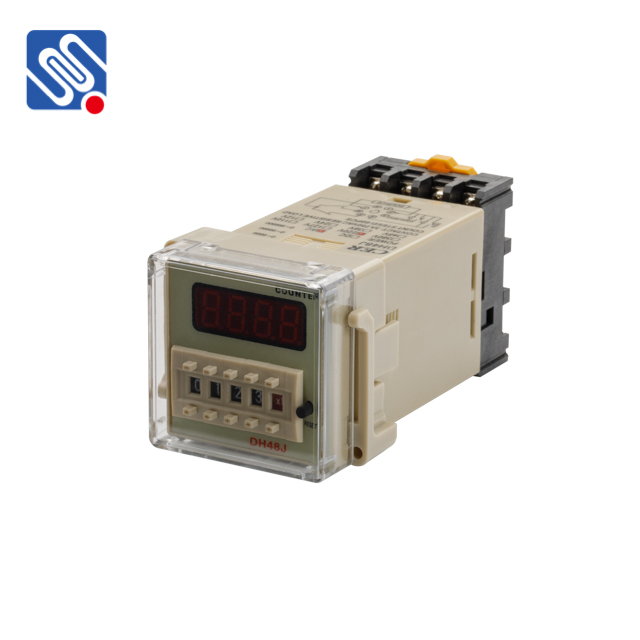
What is Relay Voltage? Relay voltage refers to the voltage required to energize the relay’s coil, which generates a magnetic field that physically moves a switch inside the relay. The coil voltage is typically given in terms of the operating voltage, such as 12V, 24V, 48V, etc. When the voltage is applied to the relay coil, the magnetic field causes the switch to either close (complete the circuit) or open (break the circuit). This action controls the connected load. The key point to note is that the voltage applied to the coil is what drives the relay’s operation. If the relay is designed for a 12V DC input, applying 12V to the coil will cause the relay to activate. If the voltage is too high or too low, the relay may either fail to activate or get damaged.