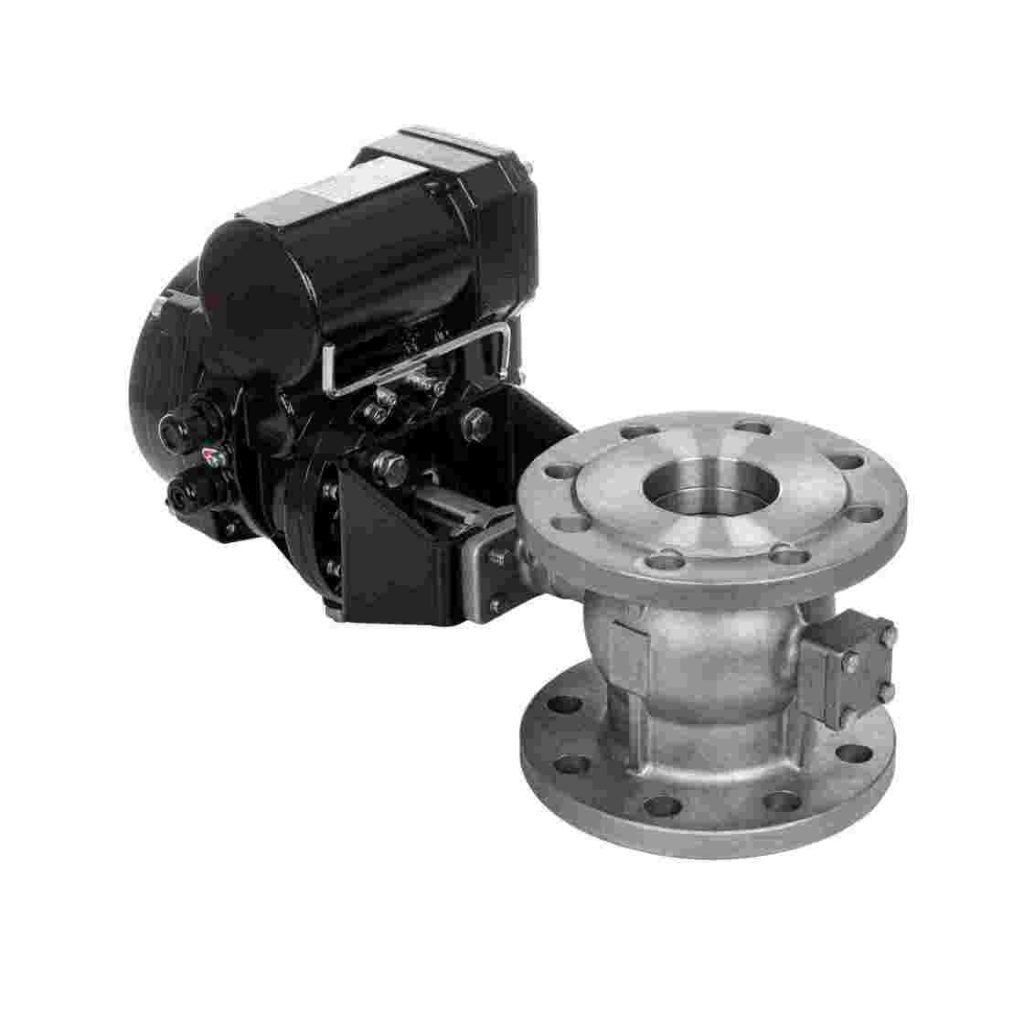
In the realm of industrial applications, the demand for efficient and reliable fluid control systems is ever-increasing. The Electric Stainless Steel Ball Valve has emerged as a pivotal component in this arena. These valves combine the durability of stainless steel with electric actuation technology, offering a robust solution for a wide range of industries. This article explores the features, advantages, applications, and considerations related to Electric Stainless Steel Ball Valves.
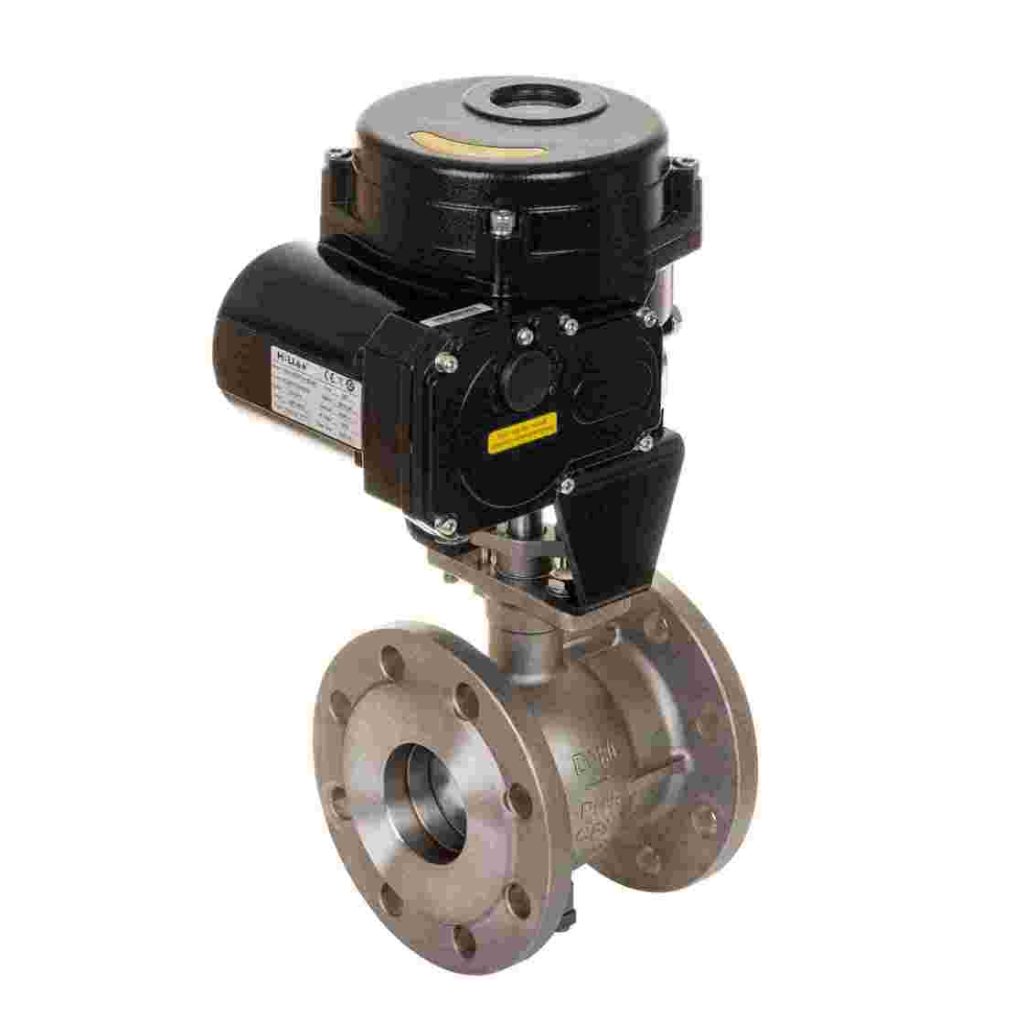
Understanding Electric Stainless Steel Ball Valves
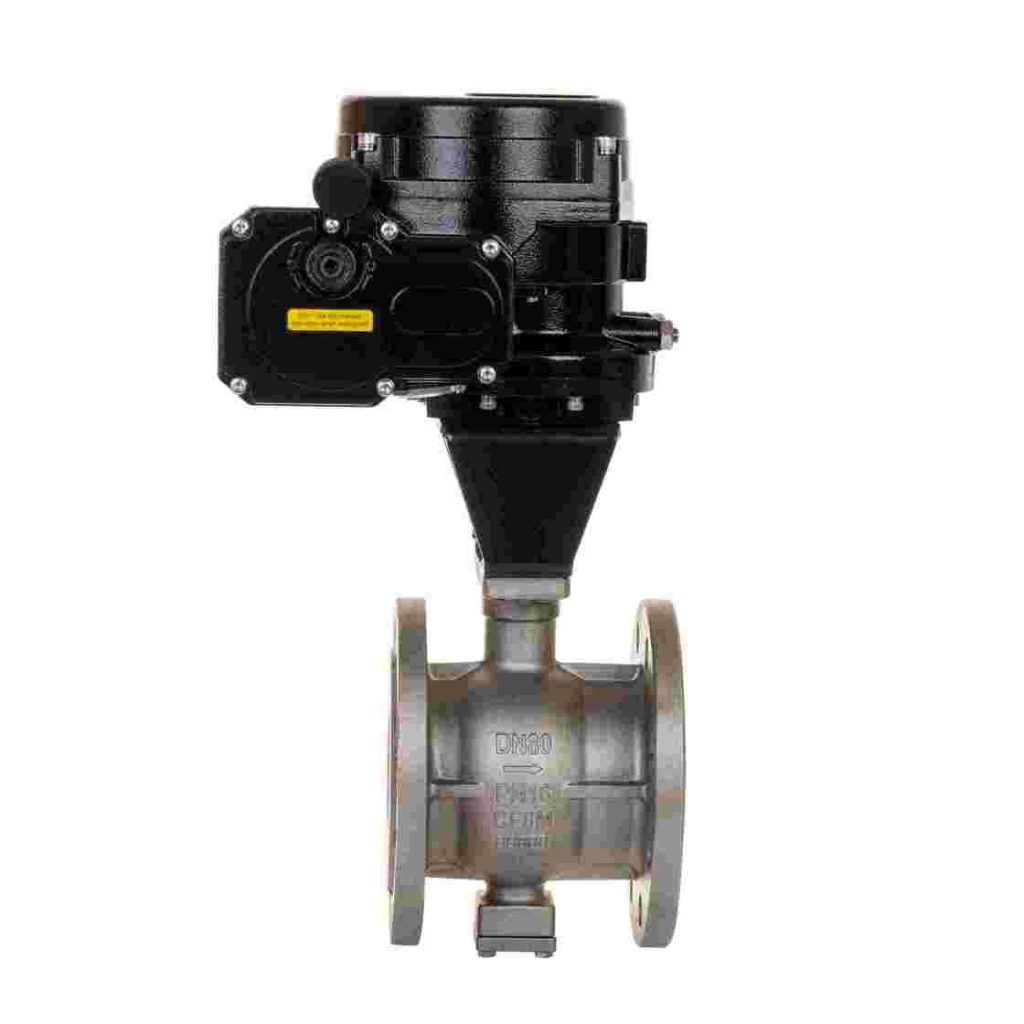
Electric Stainless Steel Ball Valves are designed to control the flow of fluids, whether liquids or gases, through a piping system. The core component of the valve is a spherical ball that has a hole – or port – through its center. When the valve is in the open position, the port aligns with the flow direction, allowing fluid to pass through unimpeded. Conversely, when the valve is closed, the ball rotates 90 degrees, blocking the flow entirely. Construction and Materials The construction of Electric Stainless Steel Ball Valves typically involves high-quality stainless steel, which is known for its corrosion resistance, strength, and longevity. Two of the most common grades used are 304 and 316 stainless steel. The latter offers better resistance to chlorides, making it suitable for more aggressive environments, such as marine applications or chemical processing. The electric actuator, which is often mounted on top of the valve body, controls the rotation of the ball, allowing for either on/off control or precise flow modulation, depending on the design.