In industrial and maintenance environments, safety is paramount. One crucial element that ensures worker safety during maintenance and repair operations is the use of lockout safety padlocks. These specialized padlocks play a vital role in lockout/tagout (LOTO) procedures, which are designed to prevent accidental machine start-up or the uncontrolled release of hazardous energy while equipment is being serviced. This article explores the significance, features, and best practices associated with lockout safety padlocks.
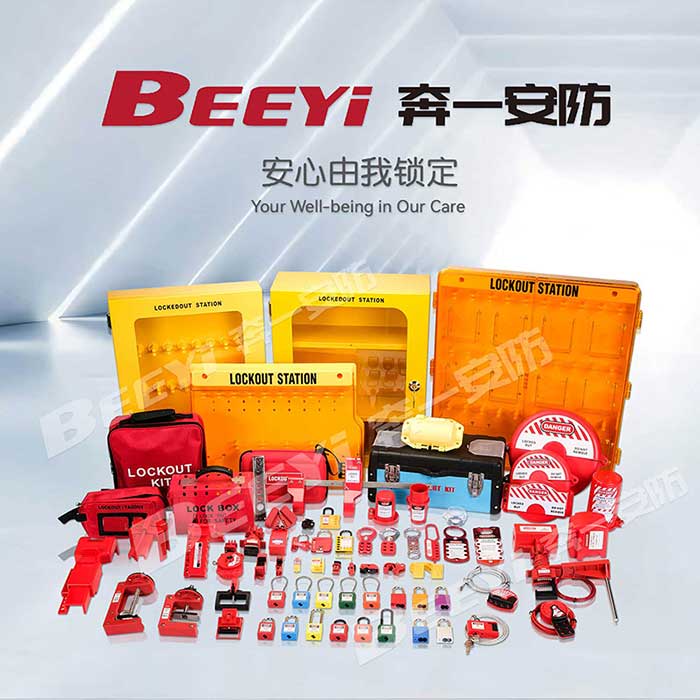
Understanding Lockout Safety Padlocks Lockout safety padlocks are specifically designed to secure energy-isolating devices in the “off” position. When maintenance personnel are working on machinery or equipment, these padlocks prevent unauthorized access and ensure that no energy source can be inadvertently activated. This is crucial not only for the safety of the technician but also for maintaining a secure work environment for all employees. Key Features of Lockout Safety Padlocks
Color-Coded Design: Lockout safety padlocks are often brightly colored, commonly in shades of red or yellow, to provide high visibility. This allows for easy identification, signaling that a piece of equipment is locked out and should not be operated.