Scaffolding plays a crucial role in construction, providing workers with the necessary platform to reach high elevations safely. However, the nature of scaffolding work also exposes workers to several potential hazards, particularly when it comes to equipment malfunctions, improper handling, or failure to follow safety protocols. One of the most effective ways to mitigate these risks is through the use of scaffolding lockout tags, which are integral to ensuring safety during scaffolding maintenance and repair. This article explores the importance of scaffolding lockout tags, their role in safety protocols, and the technical support available to ensure their proper implementation.
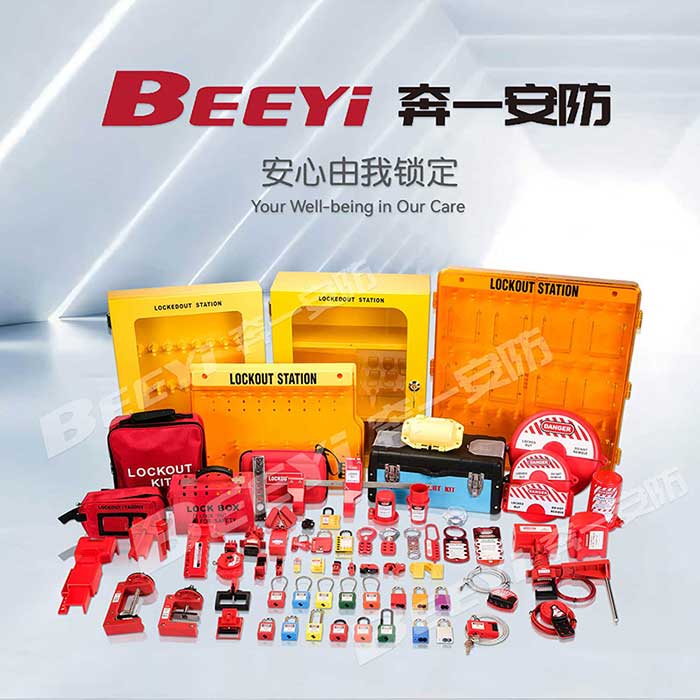
The Role of Scaffolding Lockout Tags Lockout tags are safety devices used to indicate that a piece of equipment, such as scaffolding, is undergoing maintenance or repair and should not be operated until it is deemed safe. In the context of scaffolding, lockout tags are typically used during the assembly, disassembly, or modification of scaffolding structures. They serve as a visual warning to workers, clearly marking sections that are out of service and preventing accidental engagement or use of the equipment. By using lockout tags in scaffolding work, construction companies can reduce the risk of accidents caused by unforeseen equipment malfunctions or human error. This is particularly important because scaffolding involves complex setups and adjustments that can be hazardous if not properly managed.