Relays are essential components in modern electrical systems, playing a pivotal role in switching circuits on and off in response to specific conditions. Whether they are controlling high-power equipment or ensuring the automation of tasks, understanding the characteristics of relays is crucial for selecting the right one for a particular application. This article delves into the primary relay characteristics that define their performance and reliability in various environments.
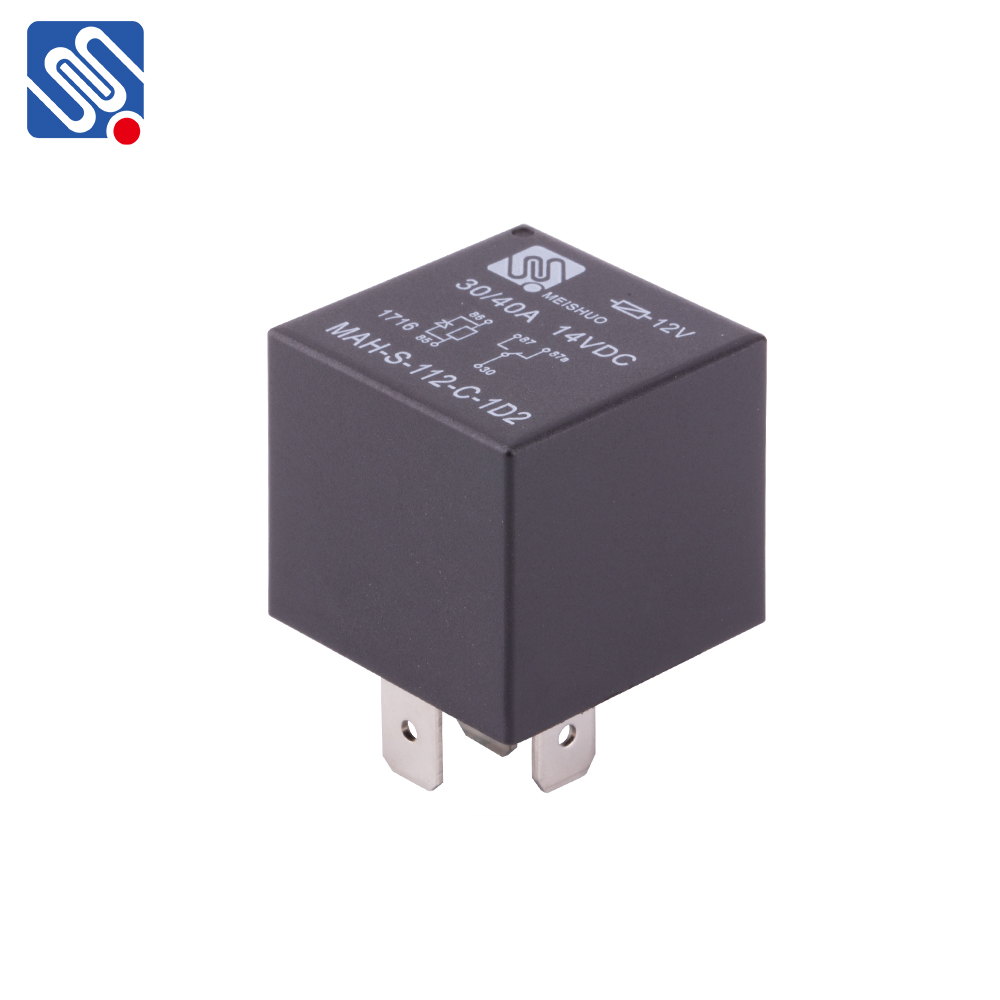
1. Coil Voltage (Pull-in Voltage) One of the most fundamental characteristics of a relay is its coil voltage, also referred to as the pull-in voltage. This is the minimum voltage required to activate the relay’s coil, causing the relay’s contacts to close and complete the circuit. Typically, relays are designed for standard voltages such as 5V, 12V, or 24V, but can be customized for other voltage levels depending on the application. Understanding the coil voltage is essential because operating the relay below the specified voltage may result in failure to engage, while excess voltage could damage the internal components.