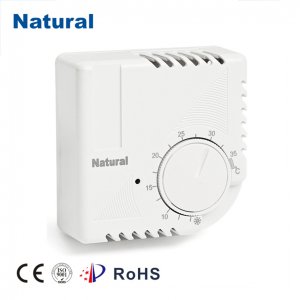
An adjustable temperature control switch is an essential component in many electronic and electrical systems where temperature regulation is crucial. From household appliances like refrigerators and water heaters to industrial machines and laboratory equipment, these switches play a significant role in maintaining an optimal temperature range. In this article, we will explore what an adjustable temperature control switch is, its working principles, types, and applications in various industries.
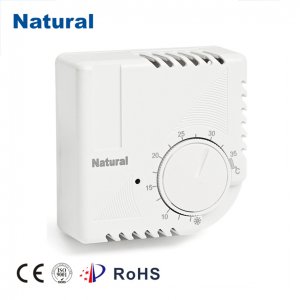
What is an Adjustable Temperature Control Switch?
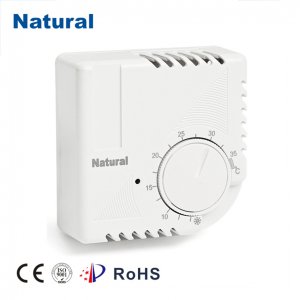
An adjustable temperature control switch is a device used to control the temperature of a system by turning heating or cooling equipment on or off based on a preset temperature. The term “adjustable” refers to the fact that the user can set the desired temperature at which the switch will activate or deactivate the system. Essentially, it acts as a thermostat but offers more flexibility by allowing users to fine-tune the temperature according to their needs. Working Principle of Adjustable Temperature Control Switches The basic operation of an adjustable temperature control switch is relatively simple. It uses a temperature sensor, such as a thermistor or a bimetallic strip, to monitor the surrounding temperature. Once the temperature deviates from the preset range, the switch triggers a heating or cooling system to bring the temperature back to the desired level.