In industrial settings, ensuring the safety of workers is paramount. One of the most crucial safety measures implemented in facilities where hazardous energy is used is the Lockout-Tagout (LOTO) system. LOTO locks, specifically, play a pivotal role in preventing accidental energy release during maintenance or repair tasks. This article will explore what LOTO locks are, their function, and why they are vital in safeguarding employees in industries such as manufacturing, construction, and utilities.
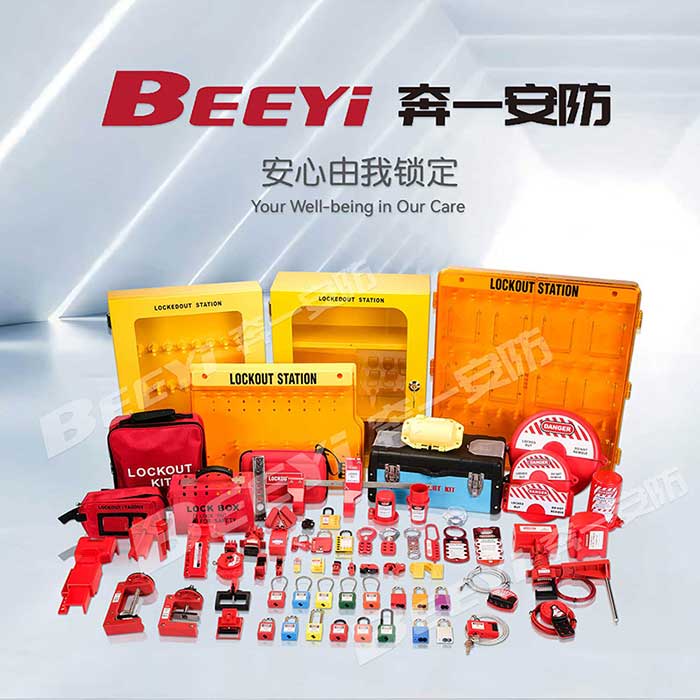
What are LOTO Locks? LOTO, an acronym for Lockout-Tagout, is a safety procedure designed to protect workers from the unexpected release of hazardous energy while they are performing maintenance or repair work on machinery or equipment. The LOTO procedure involves two key elements: locking out energy sources and tagging them with warning labels. LOTO locks are typically physical locks placed on energy-isolating devices (such as circuit breakers, valves, or power switches) to prevent the accidental activation or release of energy. A typical LOTO lock is a durable lock with a unique key, ensuring that only the person who applies the lock can remove it. In addition to the lock, a tag is often attached to the lockout device, providing additional warnings and information about the maintenance work being performed. The tag includes the name of the worker, the date, and the reason for the lockout, so everyone in the area is aware that the equipment is under repair or maintenance.