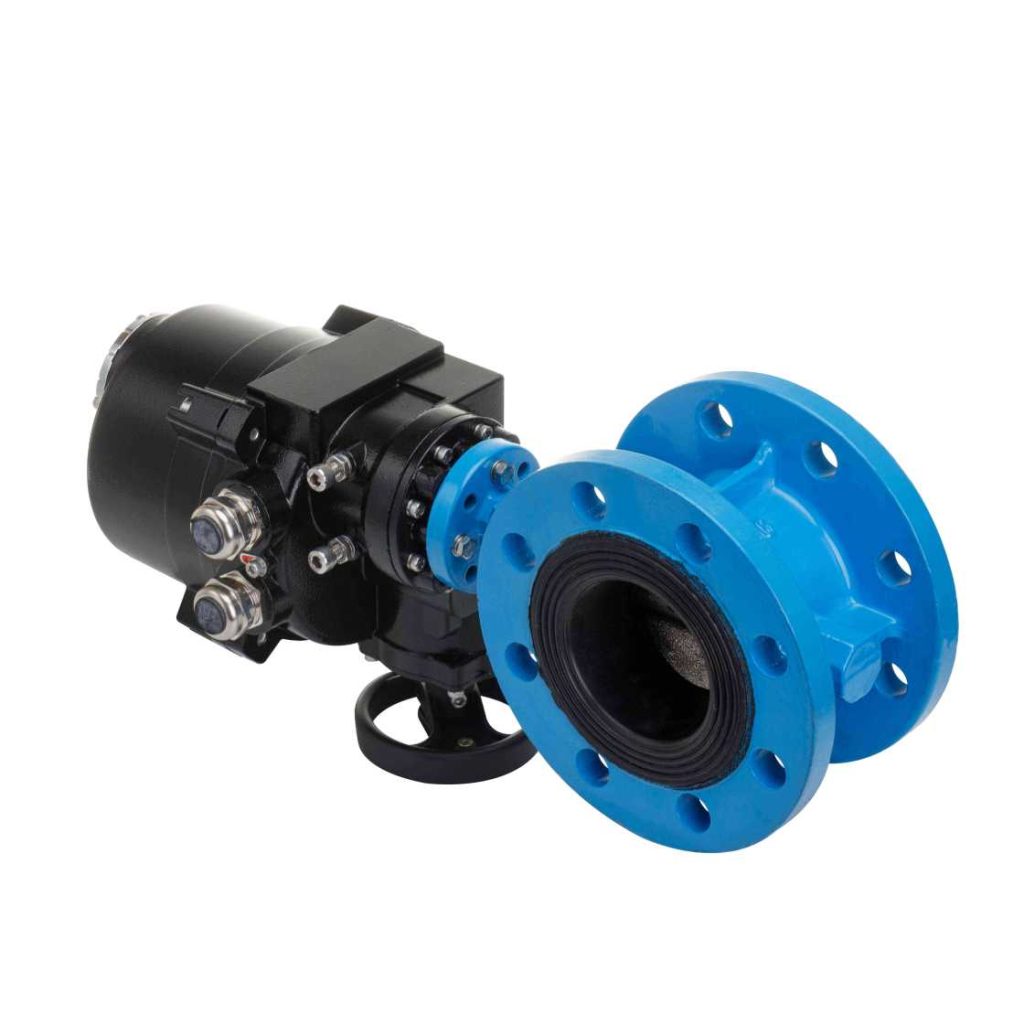
The electric flanged butterfly valve is an essential component in modern fluid control systems, offering an efficient and reliable solution for regulating the flow of various fluids in a wide range of industries. This valve type combines the functionalities of a butterfly valve with an electric actuator, making it an ideal choice for applications where automated control and precision are required. In this article, we will explore the design, working principles, advantages, and applications of electric flanged butterfly valves.
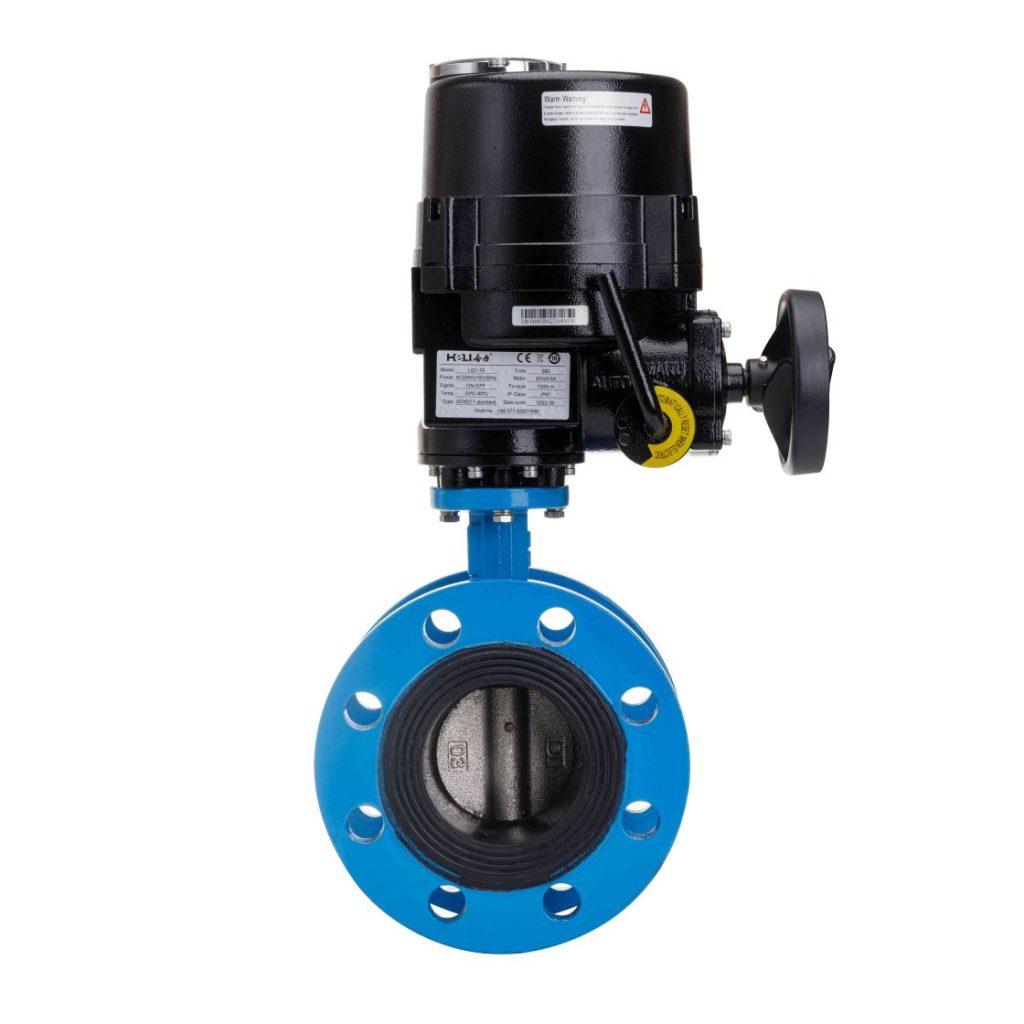
Design and Structure of Electric Flanged Butterfly Valves
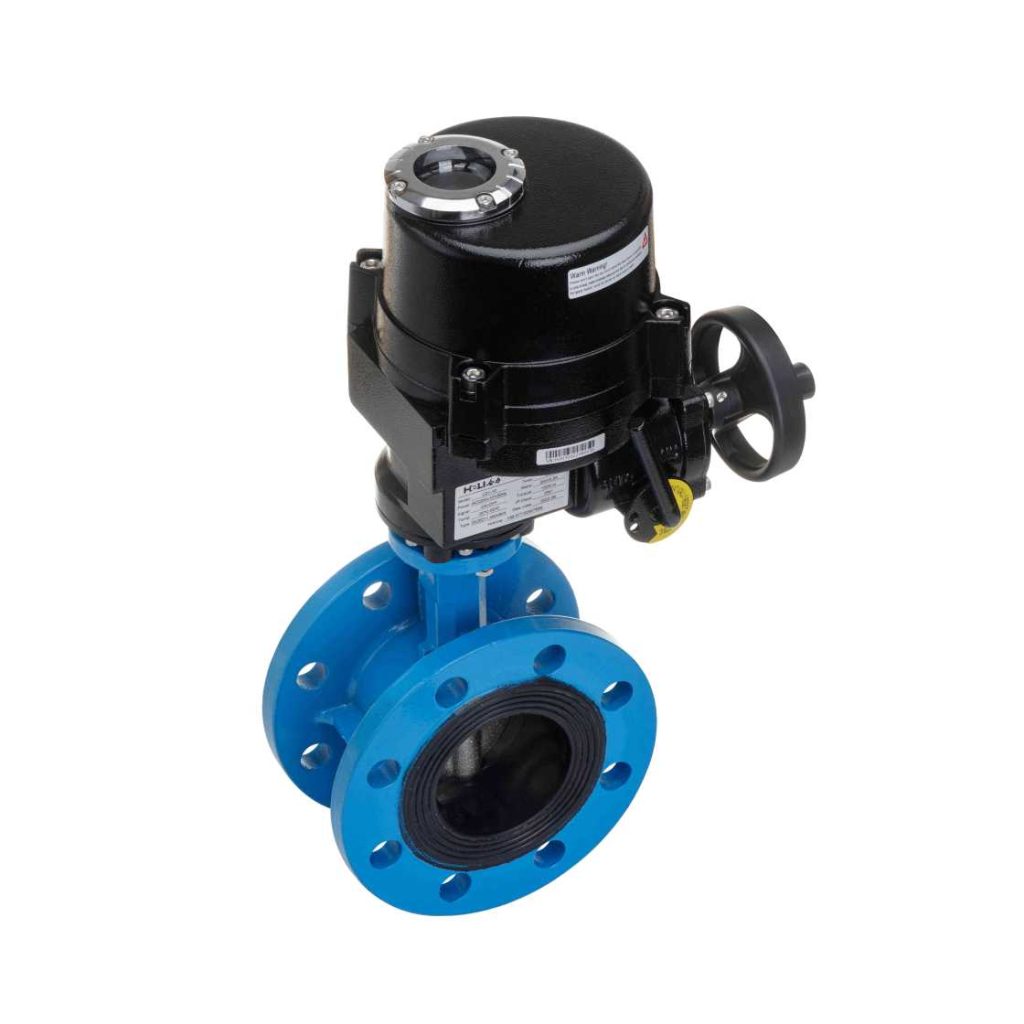
An electric flanged butterfly valve consists of three main components: the valve body, the butterfly disc, and the electric actuator. The valve body typically features flanged connections, which are designed to be bolted onto matching flanges in a pipeline. The butterfly disc is a circular plate positioned inside the valve body, and it rotates on an axis to control the flow of fluid through the valve. The electric actuator, which is mounted on the valve, is responsible for driving the rotation of the disc based on electric signals. The electric actuator used in these valves can be powered by alternating current (AC) or direct current (DC), depending on the specific requirements of the system. It is controlled by a remote control system, allowing for precise, automated valve operation. The actuator is usually equipped with a feedback mechanism that provides information about the valve’s position, ensuring accurate control over the flow of fluids.