Low-power relays are essential components in many modern electronic systems that require reliable switching while maintaining minimal power consumption. These relays are designed to operate efficiently in circuits where reducing energy use is critical, such as in battery-powered devices, communication networks, and energy-saving appliances. This article explores the concept of low-power relays, their advantages, applications, and their role in today’s technological advancements.
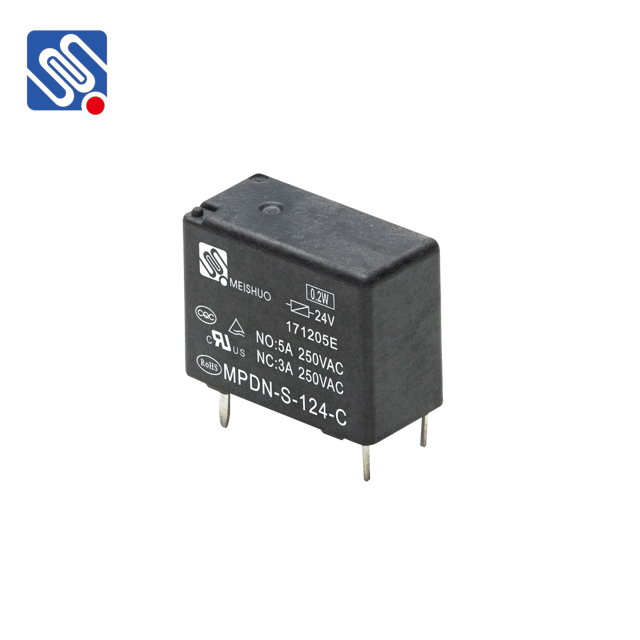
What is a Low-Power Relay? A low-power relay, as the name suggests, is a type of relay designed to operate with minimal electrical power. Like traditional relays, they use an electromagnetic coil to create a magnetic field that actuates mechanical contacts, allowing the relay to switch between open and closed states. However, the key distinction of low-power relays is their ability to operate with significantly less power—often just a fraction of what conventional relays require. This is achieved through advanced coil and magnetic core designs, optimized materials, and more efficient switching mechanisms.