Electrical lockout tags are an essential part of workplace safety, particularly in environments where heavy machinery or electrical systems require maintenance or servicing. The concept of lockout/tagout (LOTO) procedures is designed to ensure that hazardous energy sources are properly de-energized before any maintenance work is performed, reducing the risk of accidents, injuries, and fatalities. In this article, we will explore the importance, use, and regulations surrounding electrical lockout tags, shedding light on their role in protecting workers and maintaining workplace safety.
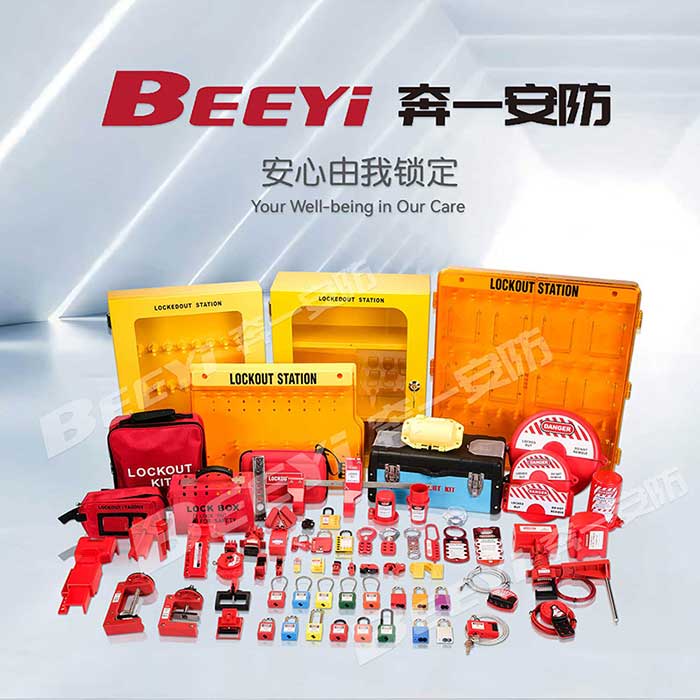
What Are Electrical Lockout Tags? Electrical lockout tags are physical labels that accompany lockout devices used to prevent the accidental operation of machinery or electrical circuits during maintenance. These tags serve as a warning and informational tool, indicating that the equipment is being serviced and should not be operated. The tags typically contain crucial information such as the name of the person responsible for the lockout, the date, and the reason for the lockout, ensuring transparency and accountability during the maintenance process. These tags are designed to be highly visible, often using bright colors such as yellow or red to ensure they stand out. They are made of durable materials like plastic or laminated paper, making them resistant to environmental factors such as moisture, heat, or chemicals. This ensures that the tags remain legible and intact, even in challenging industrial environments.