Relay connectors play a pivotal role in the functioning of electrical systems across various industries. These connectors enable the seamless connection and disconnection of circuits, facilitating the control of electrical devices in a wide range of applications. Understanding relay connectors involves examining their structure, functionality, types, applications, and selection criteria. This article delves into these aspects, highlighting the significance of relay connectors in modern technology.
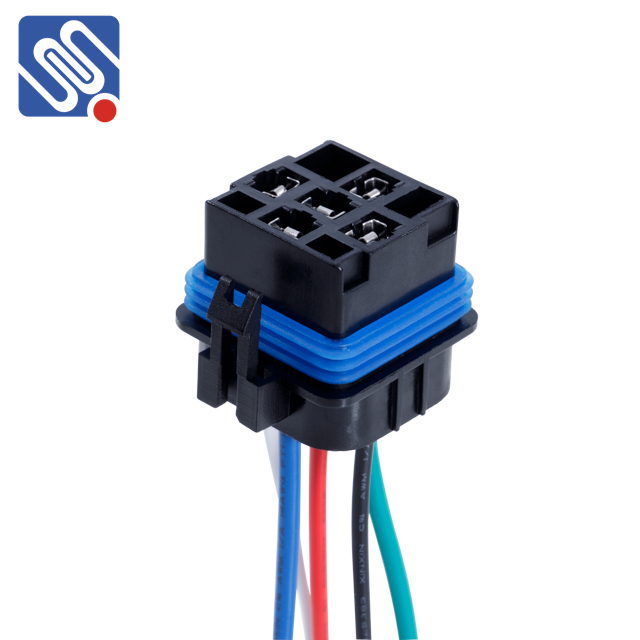
Structure and Functionality A relay connector typically consists of several key components, including the relay itself, a protective housing, terminals or pins for electrical connections, and sometimes additional features such as LED indicators. The relay consists of an electromagnetic coil and one or more sets of contacts. When an electric current flows through the coil, it generates a magnetic field that pulls the contacts together, either completing or breaking the circuit, depending on the configuration. Relay connectors provide several advantages, including the ability to control high-voltage devices with low-voltage signals, isolation between different circuits, and increased safety in electrical systems. Because relay connectors can handle high currents and voltages, they are crucial for applications that require reliable switching without direct human interaction.