Ground Fault Protection Relay is an essential component in ensuring the safety and reliability of electrical systems. Its primary purpose is to detect and protect against ground faults, which can cause significant damage to equipment and pose serious safety hazards. This article will explore the function, working principle, and applications of Ground Fault Protection Relays in electrical systems.
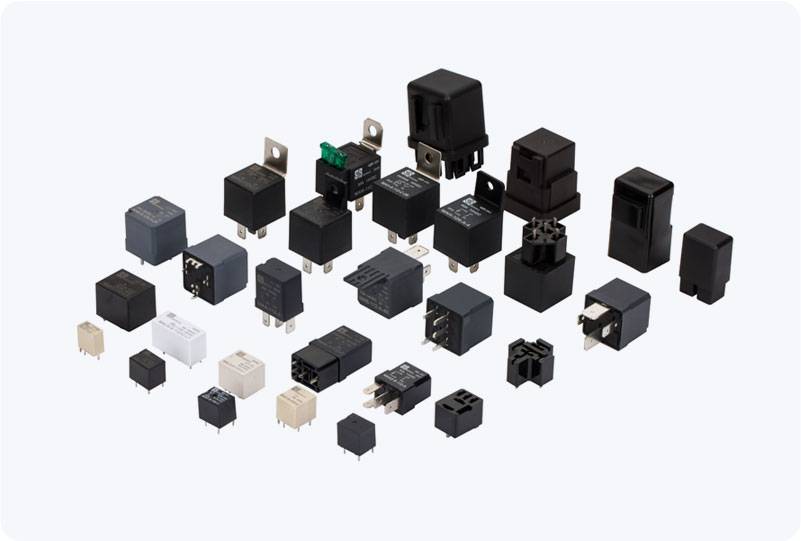
What is a Ground Fault Protection Relay? A Ground Fault Protection Relay (GFPR) is a protective device that detects ground faults in electrical circuits. It works by monitoring the electrical system for imbalances caused by current leakage to the ground. When a fault occurs, the relay quickly detects it and disconnects the circuit to prevent further damage, electrical fires, or other safety risks. Ground faults happen when one of the live conductors comes into unintended contact with the ground or any grounded part of the system. This creates an imbalance in the system’s current, which the relay is designed to detect. Once identified, the relay will trigger a disconnection of the affected circuit, isolating the fault and preventing any potential harm.