A relay is a crucial component in electrical systems, serving as an electromechanical switch that allows a circuit to be controlled by a low-power signal or to control multiple circuits with one signal. Given the importance of relays in various applications—from industrial automation to consumer electronics—understanding the operational guidelines is vital for ensuring their efficient and safe use. This Relay Operation Guide aims to provide a comprehensive overview of installing, operating, maintaining, and troubleshooting relays.
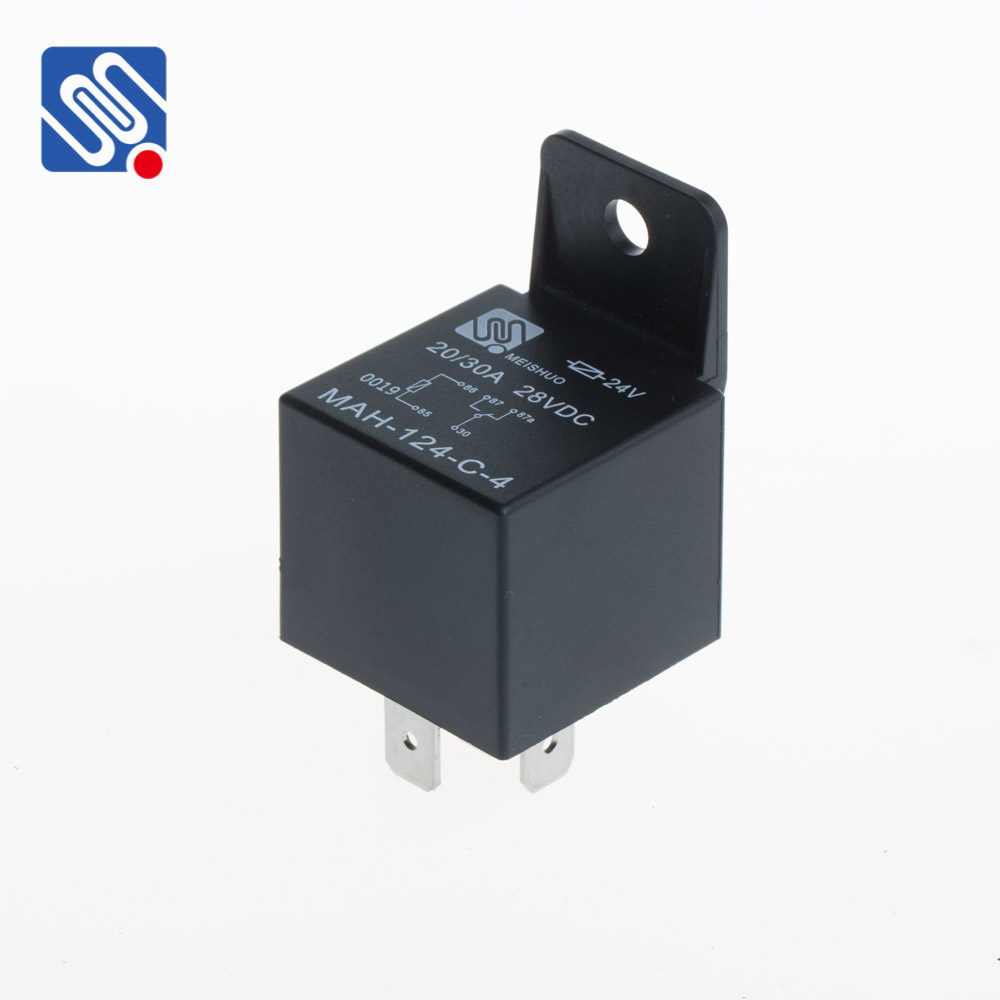
Understanding Relays At its core, a relay consists of a coil and one or more switches. When an electric current passes through the coil, it generates a magnetic field, causing the switch to open or close, thereby completing or interrupting a circuit. Relays can be classified into various types, including electromechanical relays, solid-state relays, and timer relays, each designed for specific tasks and environments. Installation Guidelines Proper installation is crucial for the optimal performance of a relay. Here are some key steps: Location: Ensure the relay is installed in a dry, cool environment to prevent overheating and damage. Avoid locations with excessive vibration or exposure to contaminants.