In any industrial setting, safety is the top priority, and one of the key measures to ensure the well-being of workers is the proper use of safety lockout tags. These simple yet effective tools are essential components of the Lockout/Tagout (LOTO) procedure, which is designed to prevent accidents during maintenance and repair of machinery and equipment. This article explores what safety lockout tags are, why they are important, and how they contribute to creating a safer work environment.
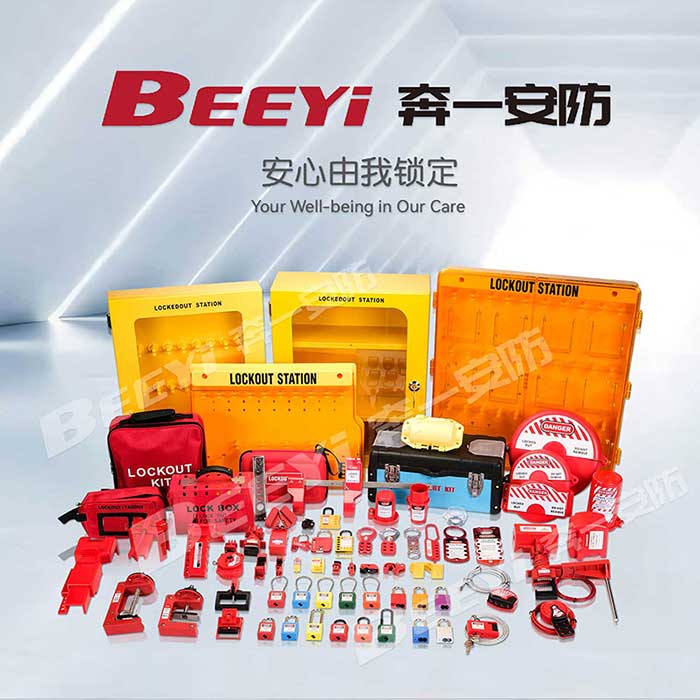
What are Safety Lockout Tags? Safety lockout tags are a vital part of the lockout/tagout system, which is used to control hazardous energy sources during maintenance work. The primary purpose of a lockout tag is to inform workers that a specific piece of equipment is locked out and should not be operated. This could be anything from machinery, electrical circuits, or even pipelines. The tags themselves are typically made from durable, weather-resistant materials, and feature bright colors, such as red or yellow, to catch the attention of anyone in the area. The tag usually includes a clear message like “Do Not Operate” or “Locked Out” to ensure that the equipment is not accidentally turned on while maintenance is being carried out. In addition to this, lockout tags often have spaces for the worker’s name, the date, and the reason for the lockout, which helps to maintain accountability and traceability during the maintenance process.