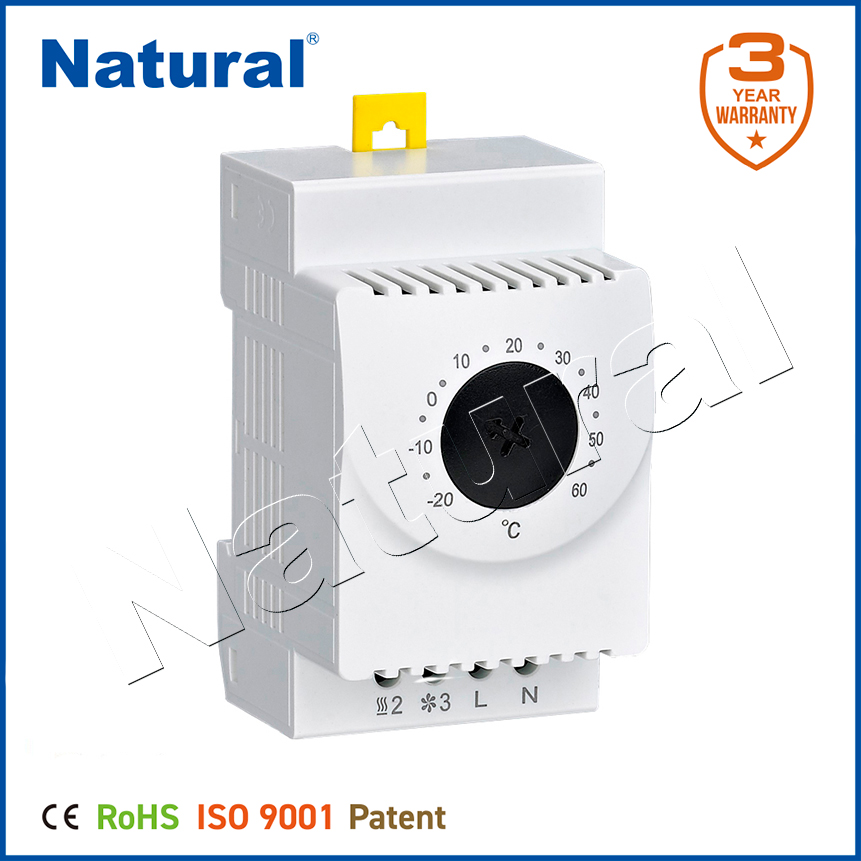
In the modern world, technology has revolutionized every aspect of our daily lives, and home climate control is no exception. One of the most significant advancements in this area is the introduction of the electronic thermostat. Unlike traditional mechanical thermostats, electronic models are designed to offer precise control over the temperature in your home, improve energy efficiency, and provide convenience in managing your household’s heating and cooling systems. This article will explore the features, benefits, and reasons why electronic thermostats are becoming increasingly popular in homes across the globe.

What is an Electronic Thermostat?
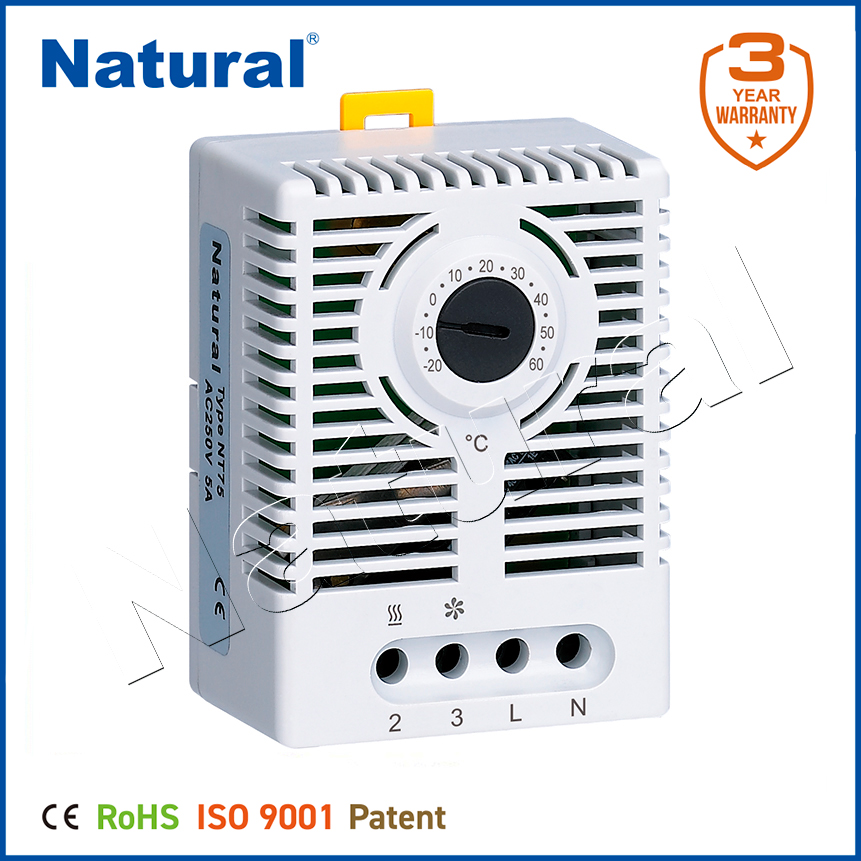
An electronic thermostat is a device that regulates the temperature of a heating or cooling system in a home. It uses electronic components such as sensors, microprocessors, and digital displays to monitor and adjust the temperature. These thermostats are designed to be more accurate and energy-efficient compared to their mechanical counterparts, offering users more control over their home environment. Unlike traditional thermostats, which rely on mechanical components to measure and adjust temperature, an electronic thermostat uses sensors to detect temperature changes and send signals to the heating or cooling system. The system then responds to these signals to maintain a set temperature. This high level of precision allows electronic thermostats to avoid temperature fluctuations, providing a more comfortable living space.