The general-purpose relay is a fundamental electrical component that serves a critical role in various automation and control systems. These versatile devices are used to control the flow of electricity in circuits, allowing for the management of high voltage or high current devices through a low voltage signal. In this article, we will delve into the working principle, applications, advantages, and factors to consider when selecting a general-purpose relay.
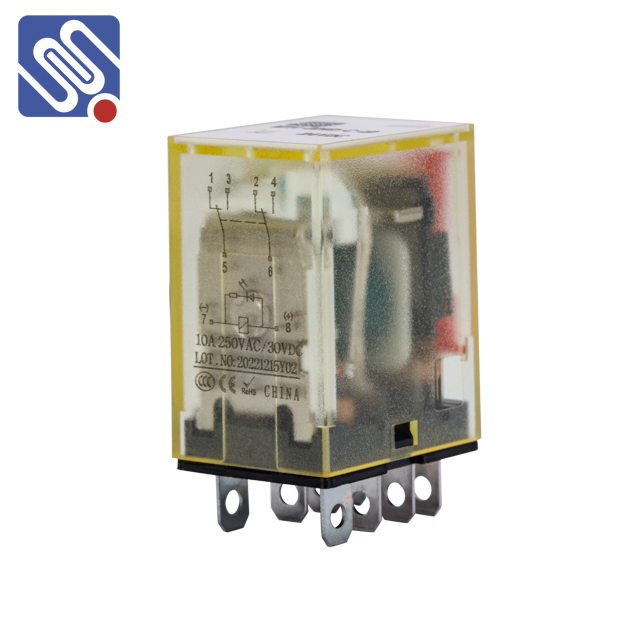
Working Principle At its core, a general-purpose relay operates using electromagnetic principles. The device consists of an electromagnetic coil, a movable armature, and a set of contacts. When an electrical current flows through the coil, it generates a magnetic field that attracts the armature. This movement causes the contacts to either close or open the circuit, thus controlling the flow of electricity to the connected load. The relay essentially acts as a switch that can be operated from a distance. For example, a low-voltage signal can trigger a relay to control a high-voltage load, which is particularly useful in applications where direct control is unfeasible or unsafe.