Power relays are essential components in electrical and electronic systems, providing a crucial link between low-power control circuits and high-power applications. These devices operate on the principle of electromagnetic induction and serve to control and manage power distribution in various applications, from household appliances to industrial machinery. Understanding the functionality, types, advantages, and applications of power relays is vital for professionals and enthusiasts in the electrical engineering field.
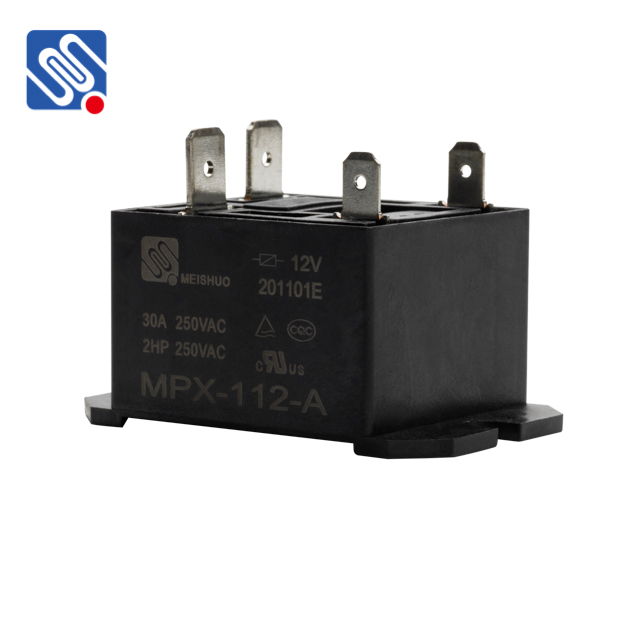
What is a Power Relay? A power relay is an electromechanical switch that utilizes an electromagnetic coil to open or close circuits, thus controlling the flow of electrical current. When current passes through the coil, it generates a magnetic field that pulls on an armature, which either connects or disconnects the contacts within the relay. This mechanism allows a small control signal to manage much larger loads, making power relays integral to electrical systems. Types of Power Relays Power relays can be classified into several categories based on various criteria: Electromechanical Relays (EMR): These relays use physical movement to operate the contacts. They are characterized by their robust build and reliability but can suffer from wear over time due to mechanical stress.