A plastic solenoid valve is a type of electrically controlled valve that uses a magnetic field generated by an electromagnet to operate the valve. The valve body is made from various plastic materials, making it a lightweight and corrosion-resistant alternative to metal solenoid valves. These valves play a critical role in various fluid control applications, where they help automate and regulate the flow of fluids, gases, and even certain chemicals. This article will explore the core components, working principles, applications, and advantages of plastic solenoid valves.
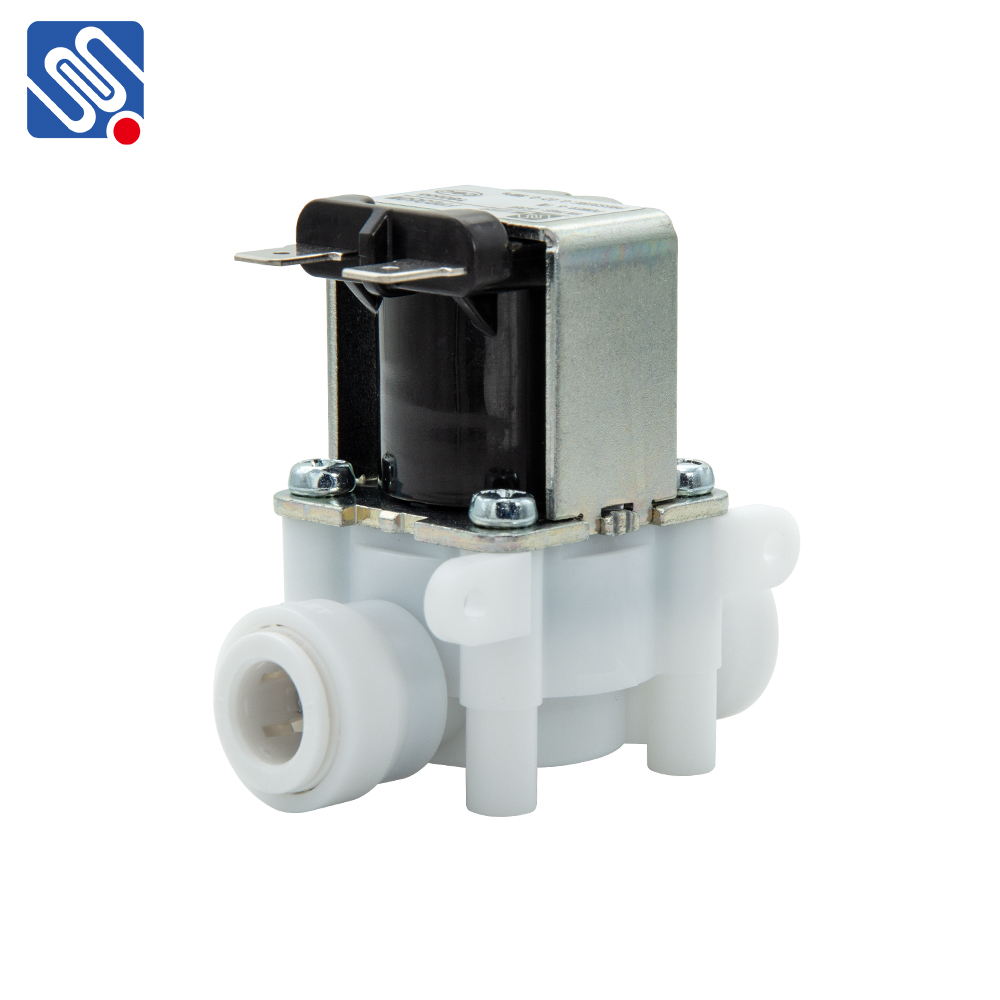
What is a Plastic Solenoid Valve? At its core, a plastic solenoid valve consists of a solenoid coil, a valve body, and a moving element known as the valve spool or plunger. When current flows through the coil, it generates a magnetic field that moves the plunger, opening or closing the valve to control fluid flow. Unlike manual valves, solenoid valves are automated and can be controlled remotely, making them highly efficient in systems where precise control and automation are needed. The most distinctive feature of plastic solenoid valves is their construction material. While traditional solenoid valves are made from metals like brass or stainless steel, plastic solenoid valves are constructed from materials such as PVC (Polyvinyl Chloride), PP (Polypropylene), PVDF (Polyvinylidene Fluoride), Nylon, and POM (Polyoxymethylene). These plastics offer enhanced resistance to corrosion and harsh chemicals, making them suitable for a wide range of applications.