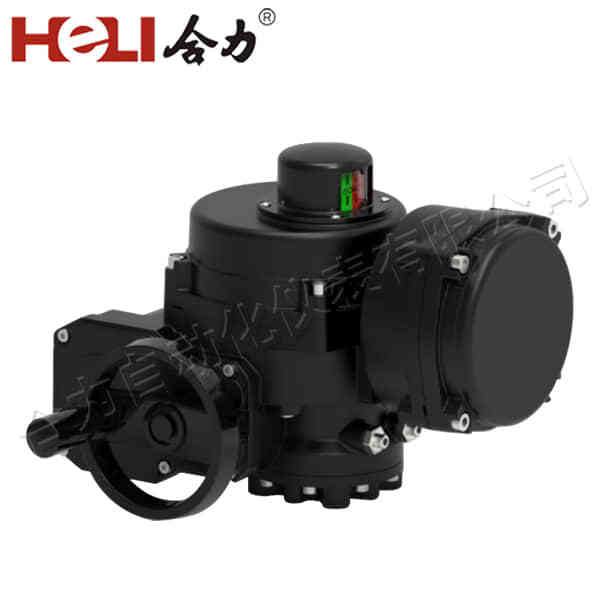
Electric actuator valves are pivotal components in modern industrial automation, providing a reliable and precise means of controlling the flow, pressure, and temperature of fluids in various systems. These devices combine electric actuators with different types of valves, enabling efficient, automated operation in industries ranging from oil and gas to water treatment and HVAC. In this article, we explore the working principle, advantages, and diverse applications of electric actuator valves, highlighting their significance in today’s automation landscape.

What Are Electric Actuator Valves?
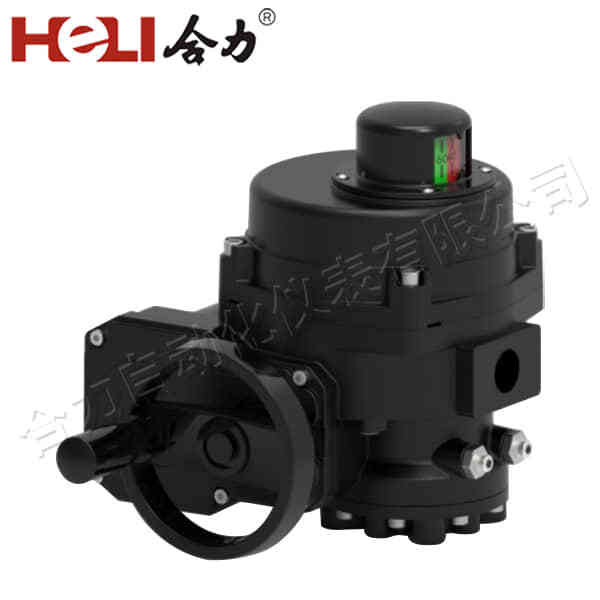
At their core, electric actuator valves consist of two main components: the electric actuator and the valve. The electric actuator is responsible for converting electrical energy into mechanical motion. This motion drives the valve to open, close, or modulate, depending on the application requirements. The actuator can be powered by a variety of voltage sources, typically controlled by a signal that corresponds to the desired valve position, such as 4-20mA or 0-10V. The valve is the part that physically controls the flow of fluids, whether they are gases, liquids, or slurries. Depending on the application, valves may be of various types, including ball valves, butterfly valves, globe valves, or gate valves. These valves are designed to either fully or partially obstruct fluid movement and are paired with the actuator to automate the opening or closing process.