Relays are essential components in modern electrical and electronic circuits, acting as switches that allow low-power control of high-power systems. To effectively utilize relays in various applications, engineers and designers often refer to the relay datasheet. A relay datasheet serves as a comprehensive reference document containing vital technical specifications, operational guidelines, and other crucial information about a specific relay model. This article delves into the key components of a relay datasheet, highlighting their importance in selecting the right relay for a given application.
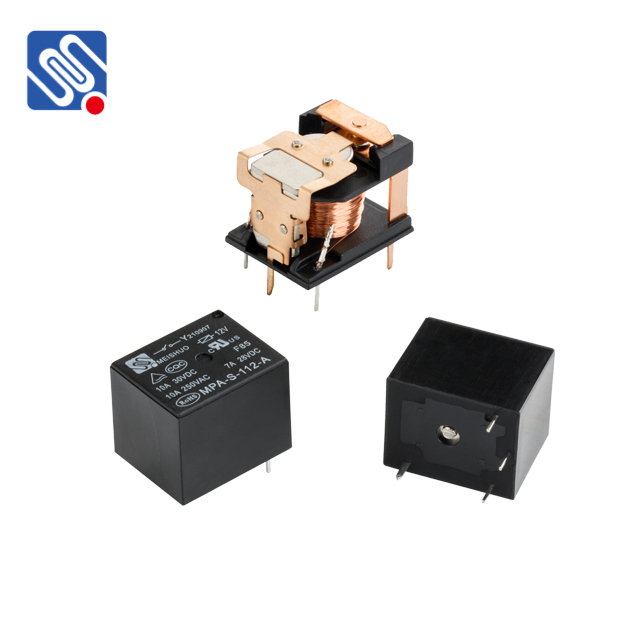
One of the fundamental elements of any relay datasheet is the electrical specifications. This section outlines the relay’s rated voltage and current, indicating the maximum operating limits to ensure safe and effective performance. The rated voltage defines the voltage under which the relay can operate continuously without failure, while the rated current indicates the maximum continuous load the relay can handle. Understanding these values is vital for engineers to prevent overheating and potential relay failure in applications where high electrical loads are involved. Another critical parameter found in the datasheet is the contact configuration. Relays come in various configurations, such as Single Pole Single Throw (SPST), Single Pole Double Throw (SPDT), Double Pole Single Throw (DPST), and Double Pole Double Throw (DPDT). The contact configuration dictates how many separate circuits the relay controls and how they can be connected. This configuration is crucial when selecting a relay for specific functions, such as switching multiple circuits or providing normally open (NO) or normally closed (NC) contacts.