In the realm of electrical engineering and power management, relays play a crucial role in controlling and switching high voltage and current circuits. Among these, the 1000V 500A DC relay stands out as a significant component for applications requiring high power handling and reliable operation. This article delves into the features, working principles, applications, and advantages of the 1000V 500A DC relay.
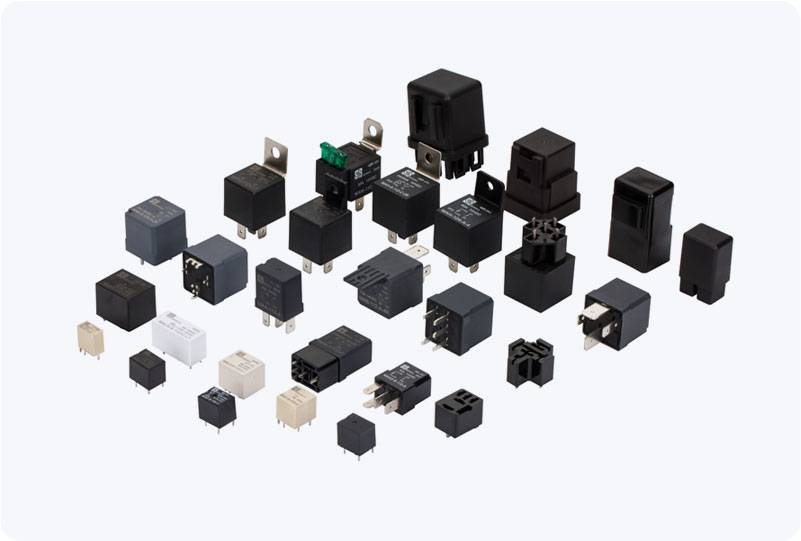
Understanding the 1000V 500A DC Relay A DC relay is an electromechanical switch that controls a circuit by using an electromagnet to open or close the circuit contacts. The 1000V 500A DC relay is specifically designed to handle direct current (DC) applications at impressive ratings of up to 1000 volts and 500 amperes. This makes it an ideal choice for various industrial and commercial applications that demand robust control mechanisms for high-power systems. Construction and Design The design of a typical 1000V 500A DC relay includes several key components: the coil, the armature, the contacts, and the housing. The coil, when energized, creates a magnetic field that attracts the armature, causing it to move and either open or close the electrical contacts. The contacts are typically made of materials that can withstand high current and voltage without degrading, ensuring consistent performance over time.