High Current Power Relay: Understanding Its Role and Applications in Modern Electrical Systems
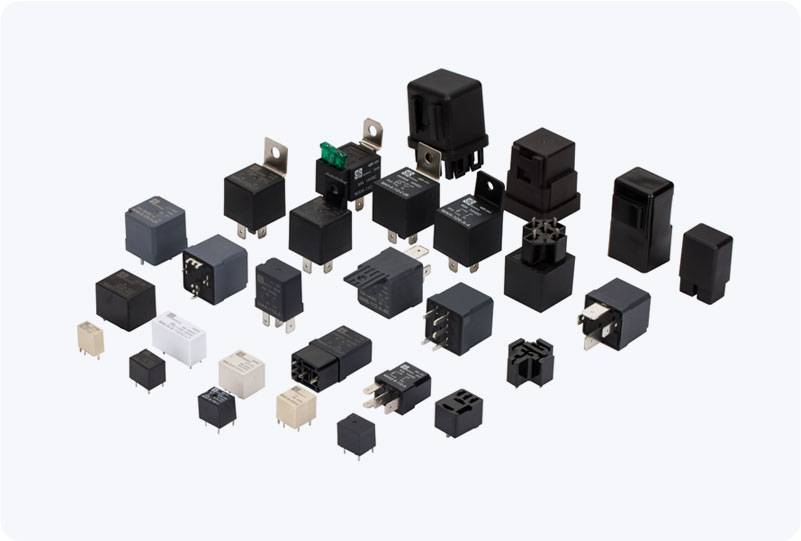
In today’s world, where electronic devices and machinery have become an integral part of our daily lives, efficient and reliable control systems are essential to ensure safety and functionality. One of the key components in these systems is the High Current Power Relay (HCPR). These relays, often overlooked, play a crucial role in controlling and switching high power circuits. This article explores the basics of High Current Power Relays, their working principles, and their diverse applications in modern electrical systems. What is a High Current Power Relay? A High Current Power Relay is an electromechanical device that is designed to control large electrical loads. It functions by using a small electrical signal to switch a larger electrical current, which makes it an essential part of various systems requiring high power control. The main purpose of an HCPR is to open or close an electrical circuit, allowing a low power device (such as a microcontroller or switch) to control high power applications. These relays are built to handle substantial electrical currents, often reaching up to several hundred amperes, and they are used in applications where large amounts of energy need to be controlled.