In the rapidly evolving world of electric vehicles (EVs), the intricate systems that manage electricity flow are of paramount importance. One crucial component that sits at the core of these systems is the EV Main Contactor Relay. This relay plays a pivotal role in controlling the flow of electrical energy between the vehicle’s high-voltage battery and its electric motor. Understanding the functionality, importance, and applications of the EV Main Contactor Relay provides insights into its significant role in ensuring the safety, efficiency, and reliability of electric vehicles.
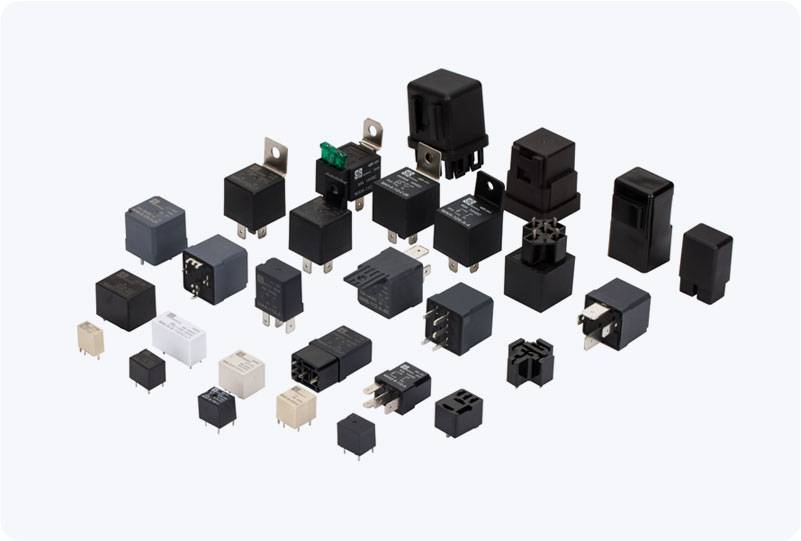
What is an EV Main Contactor Relay? An EV Main Contactor Relay is an electromagnetic switch that facilitates or interrupts the flow of high voltage electricity in an electric vehicle. When considering the function of an electric vehicle, it is essential to understand that high voltage batteries, typically ranging from 200V to 800V, operate in tandem with the electric motor. The primary purpose of the main contactor relay is to control this connection, ensuring that electricity can be transmitted effectively when the vehicle is in operation and disconnected when it is not. Functionality of the EV Main Contactor Relay