In industrial and manufacturing environments, safety is a paramount concern, particularly during maintenance and repair periods. One of the essential tools contributing to workplace safety is the Lockout Hasps. These devices play a crucial role in the Lockout/Tagout (LOTO) procedures, ensuring that machinery and equipment are properly shut down and cannot be accidentally started while being serviced. This article will delve into the details of Lockout Hasps, their functionality, significance, and best practices for their effective use.
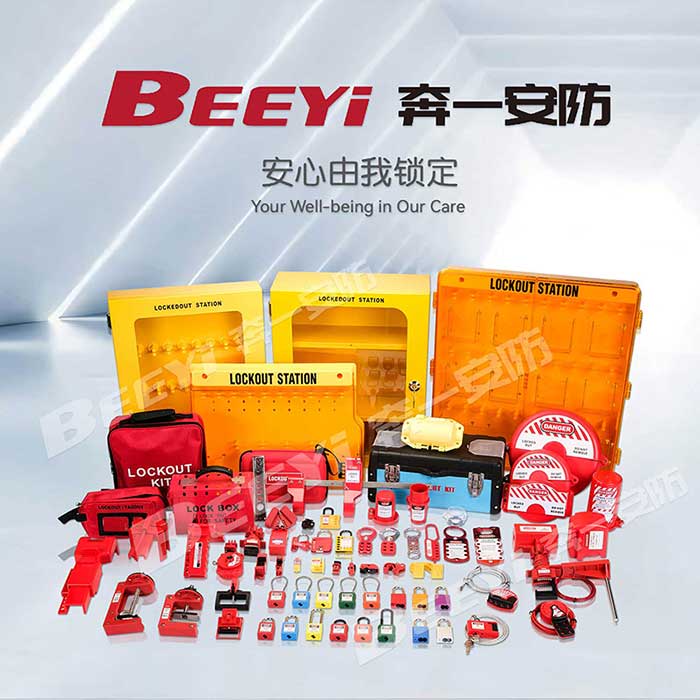
What are Lockout Hasps? Lockout Hasps are safety devices designed to securely lock out machinery or equipment during maintenance activities. Typically made from durable materials such as steel or heavy-duty plastic, these devices feature multiple lock holes that allow several padlocks to be attached. Each worker involved in the maintenance process can place their lock on the hasp, ensuring that only those with locks can access the equipment, thereby significantly reducing the risk of accidental startup. Importance of Lockout Hasps in Safety Protocols Preventing Accidental Startups: The primary purpose of Lockout Hasps is to prevent unexpected machinery startup during maintenance. When maintenance workers lock out a machine using a hasp, it guarantees that no one can turn the equipment back on until all locks are removed, thus protecting the safety of personnel.