In recent years, the rapid proliferation of Internet of Things (IoT) devices has transformed the way we interact with technology, facilitating smarter living environments across various sectors, including agriculture, healthcare, and urban infrastructure. One critical component that underpins this connectivity is the IoT communication relay module. This technology serves as a bridge for seamless data transmission between devices, enhancing communication capabilities, extending range, and improving overall network performance. In this article, we delve into the functionalities, benefits, and applications of IoT communication relay modules.
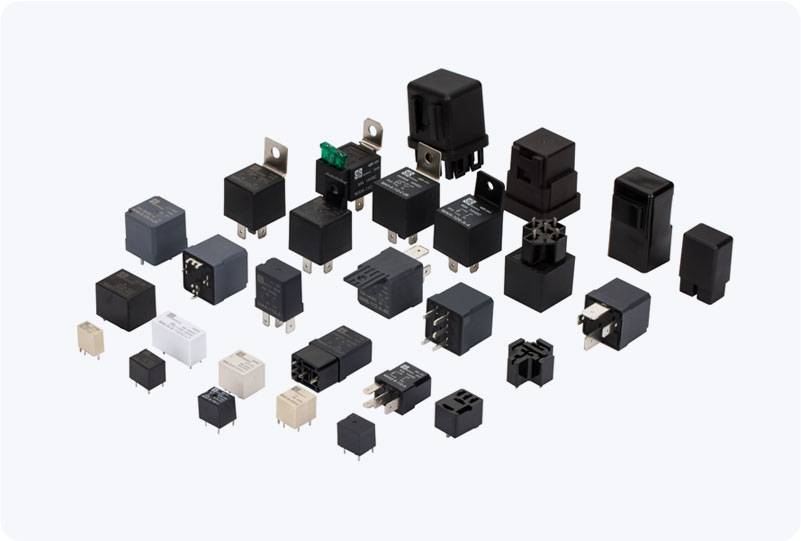
Understanding IoT Communication Relay Modules An IoT communication relay module is a hardware device designed to facilitate the transfer of data between IoT devices, local networks, and the cloud. By acting as an intermediary, the relay module can help devices that are out of direct communication range to connect via an extended network. These modules support various communication protocols, such as Wi-Fi, Bluetooth, Zigbee, and LoRa, allowing for flexibility and adaptability in diverse technological environments. Enhancing Signal Quality and Reach One of the primary functions of an IoT communication relay module is to enhance signal quality and extend the effective range of communication. In many instances, IoT devices may be deployed in remote or challenging locations where direct access to Wi-Fi or cellular networks is impractical. By placing a relay module closer to these devices, the signal can be amplified, enabling reliable data transmission without significant degradation in quality. This feature is particularly useful in smart agriculture, where sensors may be located in vast fields with limited connectivity options.