The 12V 40A relay is a versatile and crucial component in modern electronics and electrical systems, particularly where high current control is needed. With its ability to handle up to 40 amps of current while operating at a nominal 12V DC, this relay is indispensable in various applications ranging from automotive circuits to industrial automation and home appliances. In this article, we will explore the working principle, applications, and important considerations when working with a 12V 40A relay.
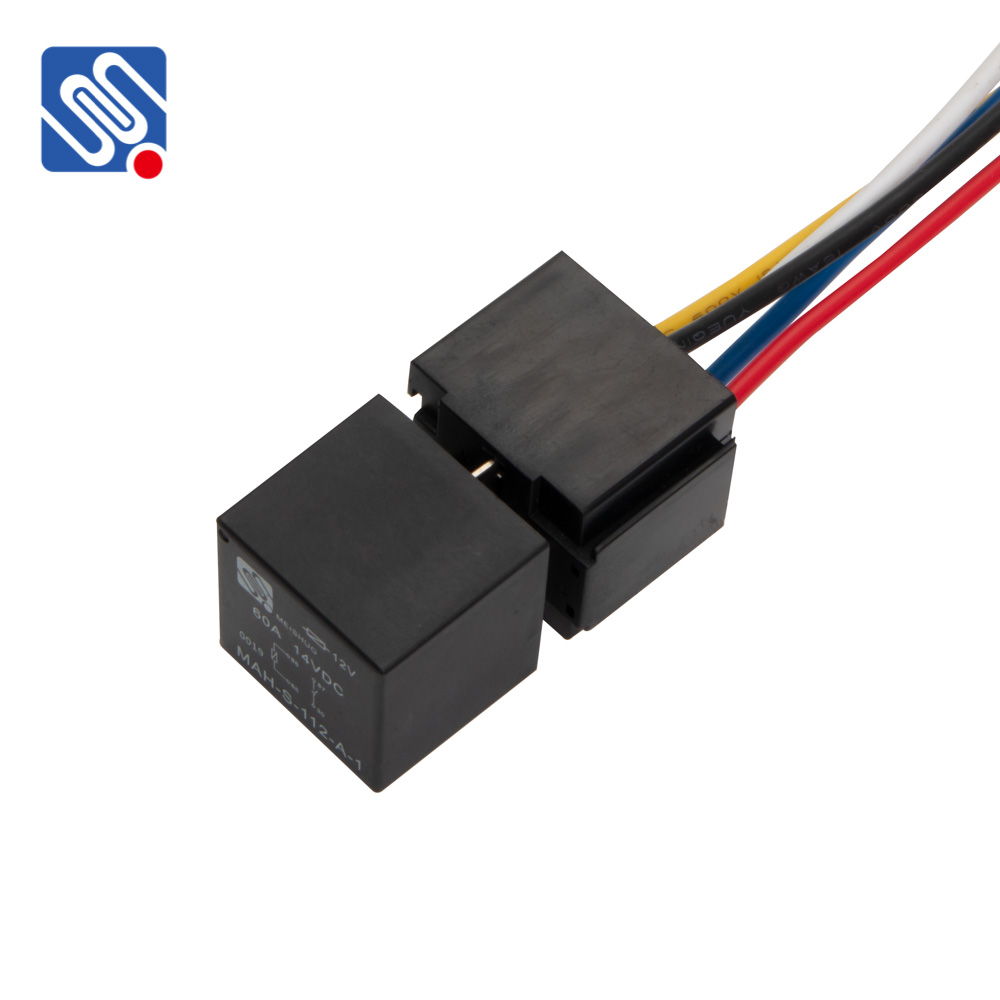
What is a 12V 40A Relay? A relay is an electromechanical switch that allows low power circuits to control high power circuits. The 12V 40A relay is specifically designed to operate with a 12V DC control signal, making it suitable for use in automotive and other DC-powered systems. The key specification, 40A, refers to the maximum current the relay can switch on the load side without causing damage or failure. These relays are generally designed to manage inductive and resistive loads such as motors, solenoids, and high-power lighting. The 12V voltage rating refers to the power required to energize the relay’s coil. When a voltage is applied to the coil, it generates a magnetic field that closes or opens the relay’s contacts, allowing a higher current circuit to be activated or deactivated. This makes relays a vital part of the electrical control systems, allowing them to handle large amounts of power without direct electrical connections to the controlling electronics.