In the ever-evolving landscape of electrical engineering, relays serve as critical components, facilitating control and automation in various applications. Among the myriad of relays available in the market, the 12V 30A relay stands out for its robust performance and versatility. This article delves into the specifications, workings, applications, and advantages of the 12V 30A relay, shedding light on why it is an essential choice for many electrical projects.
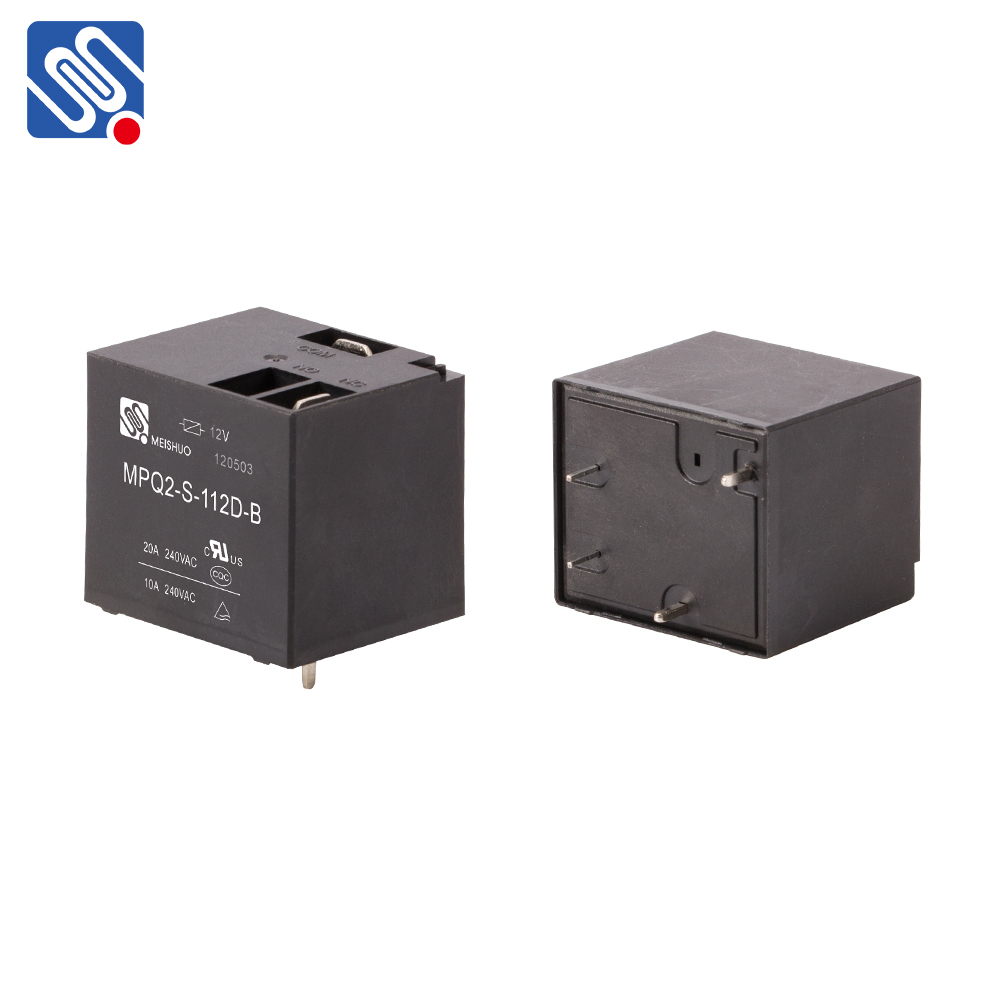
What is a 12V 30A Relay? A 12V 30A relay is an electromagnetic switch that operates on a 12-volt DC power supply and can handle a maximum load of 30 amperes. Typically, these relays are used to control high-power devices such as motors, lights, and other substantial electrical loads through a lower power circuit. The relay consists of a coil, armature, and contact points, all working in unison to open or close a circuit based on the presence of voltage in the coil. How Does It Work?
The operation of a 12V 30A relay is relatively straightforward. When a voltage is applied to the relay’s coil, it creates an electromagnetic field that pulls the armature towards it. This movement either opens or closes the contacts in the relay. In the case of a normally open (NO) configuration, the contacts remain open when no voltage is applied. Conversely, in a normally closed (NC) configuration, the contacts stay closed until voltage is applied. This versatility allows the 12V 30A relay to be utilized in various applications, switching between different states based on control signals.